Améleth (2004) '20
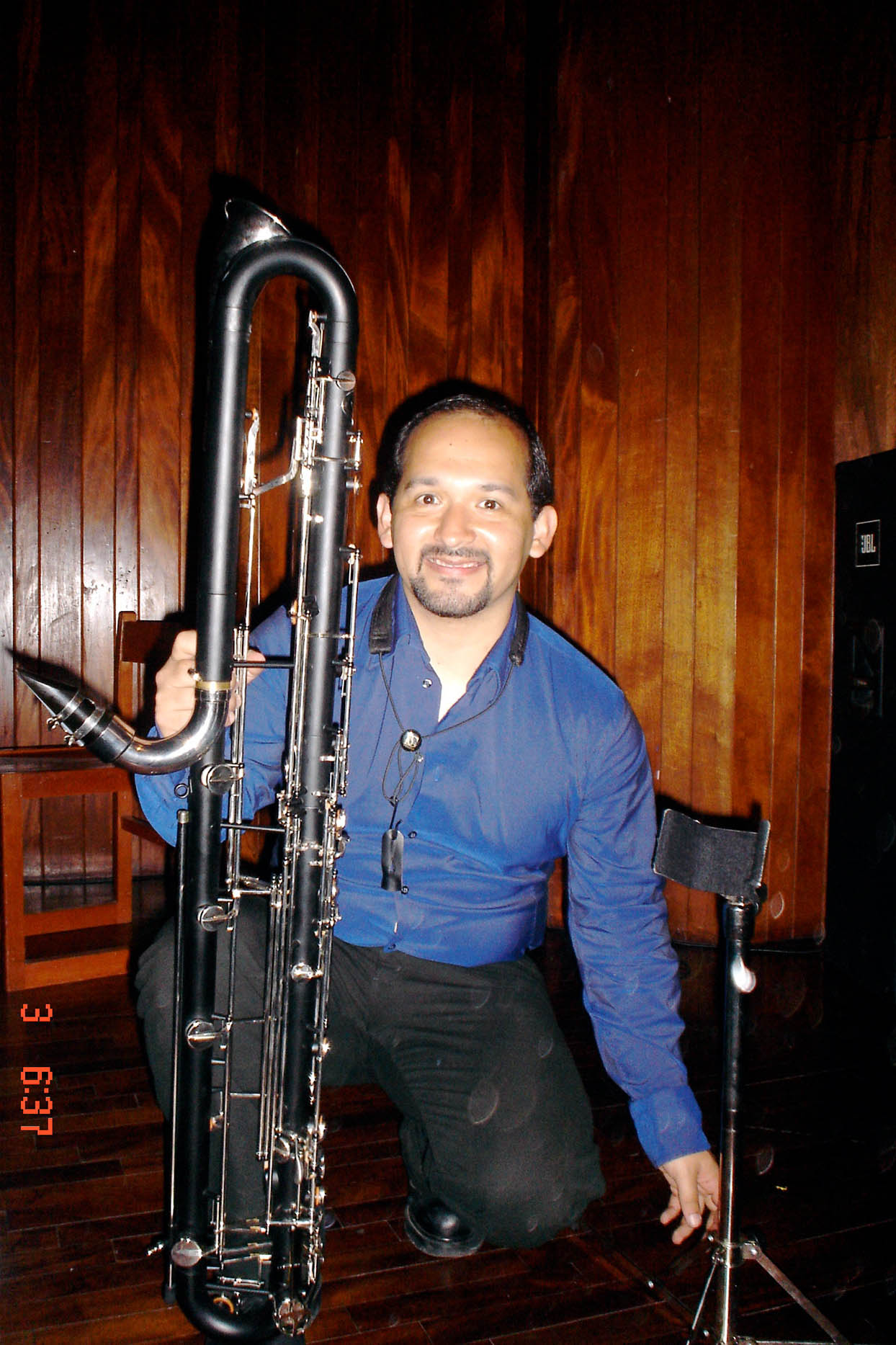
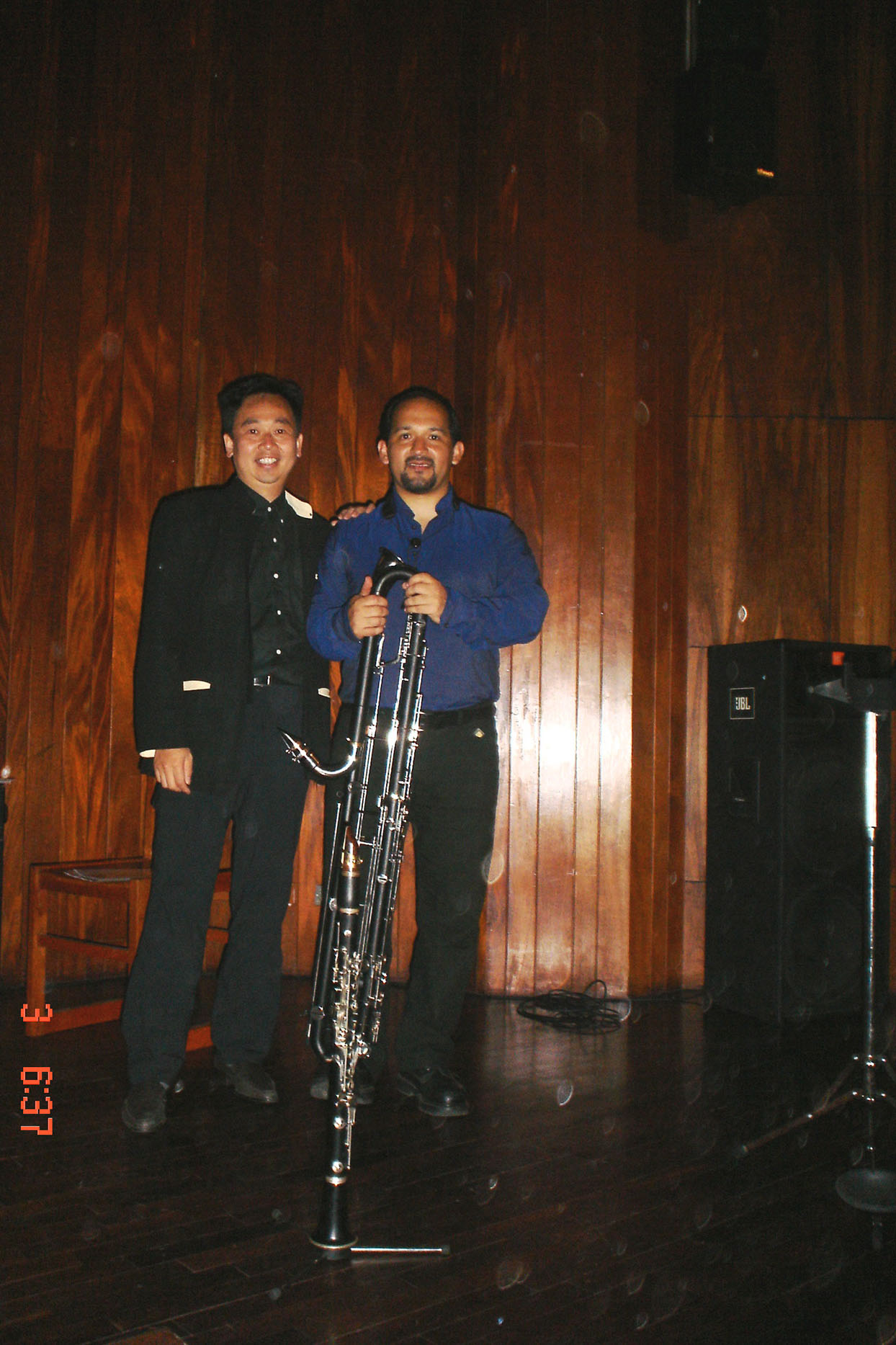
For clarinets (Bb clarinet and contrabass clarinet), sax (alto sax and baritone sax) and piano.
Composed by Philemon Mukarno on request of the Thelema Trio.
Commissioned by the Flemish Government.
Améleth: Philemon Mukarno’s Sonic Abyss for Clarinet, Saxophone, and Piano
A Descent into the Heavy
In 2004, the musical world witnessed the birth of Améleth, a twenty-minute composition by Philemon Mukarno that redefined the possibilities of the trio format. Scored for a formidable lineup of clarinets (Bb and contrabass), saxophones (alto and baritone), and piano, this work is not a polite chamber piece. It is a sonic monolith, a heavy, breathing creature that demands total submission from its listeners.
Commissioned by the Flemish Government and written specifically for the Thelema Trio, Améleth stands as a testament to Mukarno’s uncompromising aesthetic. It is a work that shuns the light, lyrical textures often associated with woodwinds, diving instead into the subterranean depths of sound. With the growl of the contrabass clarinet and the punch of the baritone sax, Mukarno constructs a landscape of “rough, unpolished sounds” that feels elemental and raw.
The Genesis: A Meeting of Minds
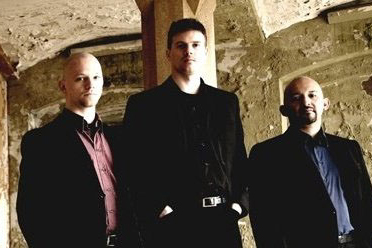
The collaboration between Mukarno and the Thelema Trio was a meeting of kindred spirits. The trio—comprising clarinetist Marco Antonio Mazzini (later Rik De Geyter), saxophonist Peter Verdonck, and pianist Ward De Vleeschhouwer—was already known for its boundary-pushing ethos. They were an “unusual ensemble” that believed in music without borders, eager to explore the “energy and power of avant-garde.”
Mukarno, with his reputation for “intense expressiveness” and a musical language that “does not refer to tradition,” found in them the perfect vessels for his vision. He did not hand them a standard score; he handed them a challenge. Améleth pushes the musicians to the edge of their technical and physical capabilities, demanding a virtuosity that serves the “intrinsic essence” of the music rather than mere display.
The Instrumentation: A Study in Low Frequencies
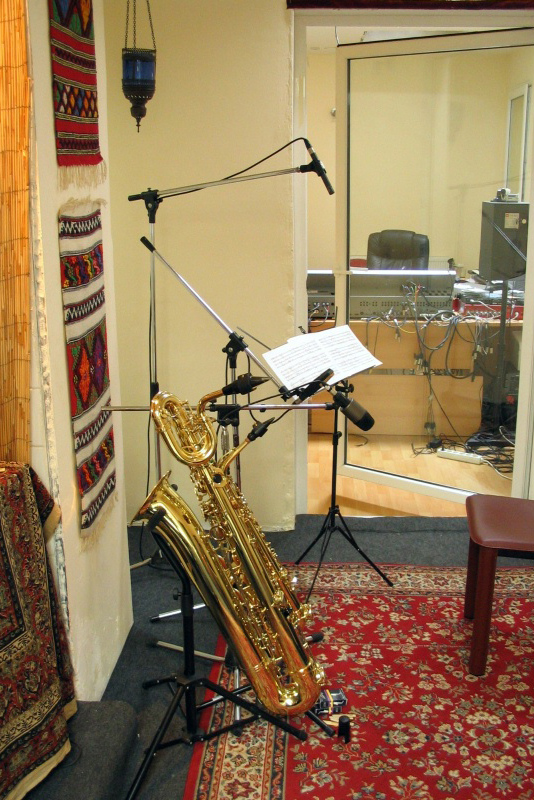
A defining feature of Améleth is its instrumentation. Mukarno eschews the standard soprano-range dominance found in many trios. Instead, he anchors the work in the bass register. The use of the contrabass clarinet and baritone saxophone creates a thick, visceral bottom end. These instruments do not just provide a bassline; they are the main protagonists, engaging in a “high-pitched wringing” match with the piano’s percussive attacks.
The piano, far from being an accompanist, acts as a percussion instrument. Ward De Vleeschhouwer is tasked with matching the power of the heavy winds, creating a texture that is dense and impenetrable. The Bb clarinet and alto saxophone offer moments of piercing high frequencies, but they are constantly pulled back into the gravitational field of the low end. This focus on the lower spectrum gives Améleth its “monolithic aura,” a weight that feels physical in the concert hall.
Economy of Means: The Power of Constraint
Despite the massive sound, Améleth is built on Mukarno’s signature “economy of means.” He does not clutter the score with unnecessary notes. Every gesture is calculated. The twenty-minute duration allows for a slow, tectonic development of ideas.
Critics have noted that Mukarno’s works demonstrate a “strict control of Form.” In Améleth, this control is absolute. He restricts his palette to unleash maximum creativity. A simple motif might be stretched, distorted, and hammered into the listener’s consciousness until it transforms into something profound. This “haiku-like” rigor applied to such heavy machinery creates a tension that is almost unbearable.
The “Rough” Aesthetic and the Absence of Irony
Mukarno’s preference for “rough, unpolished sounds” is on full display here. He wants the listener to hear the grain of the reed, the click of the keys, and the friction of the air column. There is no attempt to smooth over the edges. This roughness connects the music to the earth, making it feel “primordial.”
Furthermore, Améleth is characterized by a “complete absence of irony.” In a contemporary music scene often marked by clever references and postmodern detachment, Mukarno is terrifyingly sincere. He does not use the contrabass clarinet for comedic effect. He treats it as a serious, spiritual voice. This “lack of distance” forces the audience to confront the emotion of the piece directly. It is a “ritual” of sound, devoid of cynicism.
A Journey Through Different Worlds
The Thelema Trio’s mission to take listeners on a “journey through different worlds, times and emotions” finds its ultimate expression in Améleth. The piece does not sit comfortably in one genre. It moves from moments of “filmic blaze of colors” to the “energy and power of avant-garde.”
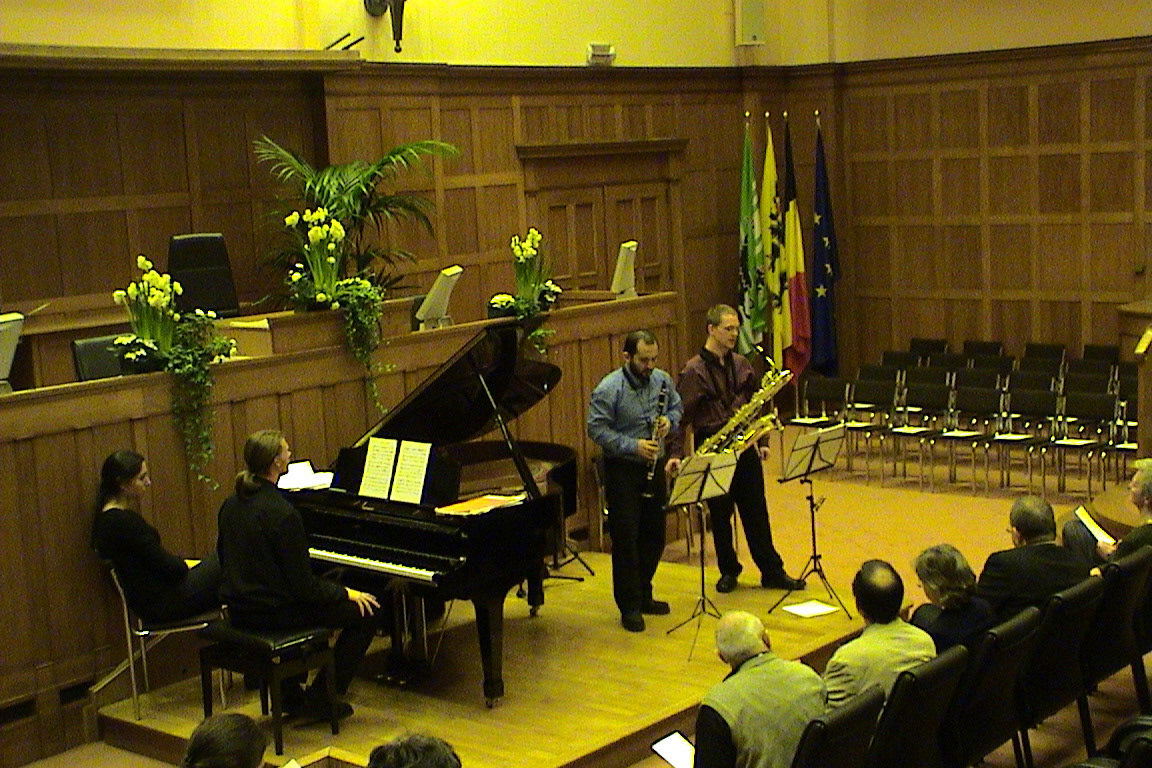
The premiere on March 25, 2004, at the Provinciehuis Oost-Vlaanderen in Ghent, Belgium, was a landmark event. It showcased the trio’s ability to handle Mukarno’s “cinematic color palette” while maintaining the structural integrity of the avant-garde writing.
The piece has since become a staple of their repertoire, performed in concert halls from Italy to the United States, proving its universal appeal.
The Human Element: Virtuosity as Struggle
Listening to Améleth is a visceral experience because it highlights the human struggle behind the sound. The performers are not hidden behind the music; they are fighting with it. Peter Verdonck’s “excellent tone and energy” on the saxophones and Marco Antonio Mazzini’s “lithe and supple sound” on the clarinets are pushed to their limits.
Mukarno writes music that is “Human-Centric.” He challenges the performers because he respects their artistry. He knows that the most profound beauty comes from the edge of failure. In Améleth, the sweat of the performance is part of the aesthetic. It is a shared journey of endurance between the musicians and the audience.
An Uncompromising Legacy
Améleth (2004) stands as a monument to Philemon Mukarno’s uncompromising vision. It is a work that refuses to be ignored. By combining the “primal force” of low winds with the structural rigor of high modernism, he created a piece that is timeless.
It is a reminder that chamber music does not have to be polite. It can be heavy, rough, and deeply, terrifyingly real. In the hands of the Thelema Trio, Améleth becomes more than a composition; it becomes a force of nature, a sonic abyss that invites us to dive in.
Discover “Améleth,” Philemon Mukarno’s 20-minute masterpiece for the Thelema Trio. A deep dive into the primal power of contrabass clarinet and baritone sax.
An unusual ensemble that believes in music without boundaries. They want to promote and perform new music from the 21st century and use their unique instrumentation beyond the borders of their classical training, which has made them a voice for many contemporary composers. Their program offers a wide range of styles, new performance techniques, and a chance for each performer to really shine and strut performance chops that seem endless and yet continued to grow with each new piece you hear. Within the diverse contemporary composition, styles going from a filmic blaze of colors, and an orchestral lushness to the energy and power of avant-garde, in which emotion and story are primary and thoughts can roam free.
The trio’s sound comes from a unique combination of piano, clarinet and saxophone. It is an inviting, engaging and constantly surprising sound that bears memories of the trio’s contrasting backgrounds, as well as their travels around the world. The Thelema Trio has played at big-name festivals and in famous concert halls in Belgium, Italy, Japan, the Netherlands, Peru and the United States.
The music of the Thelema Trio will take you on a journey through different worlds, times and emotions. This is what gives the ensemble its incredibly rich timbre. One minute the Thelema Trio will intrigue you with intimate, understated pieces, and the next it will surprise you with exuberant, extravert compositions.
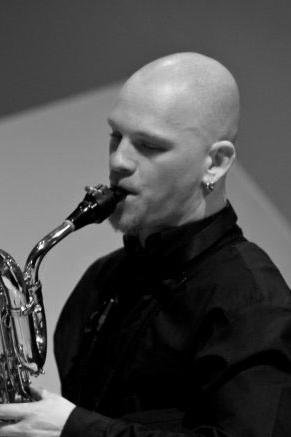
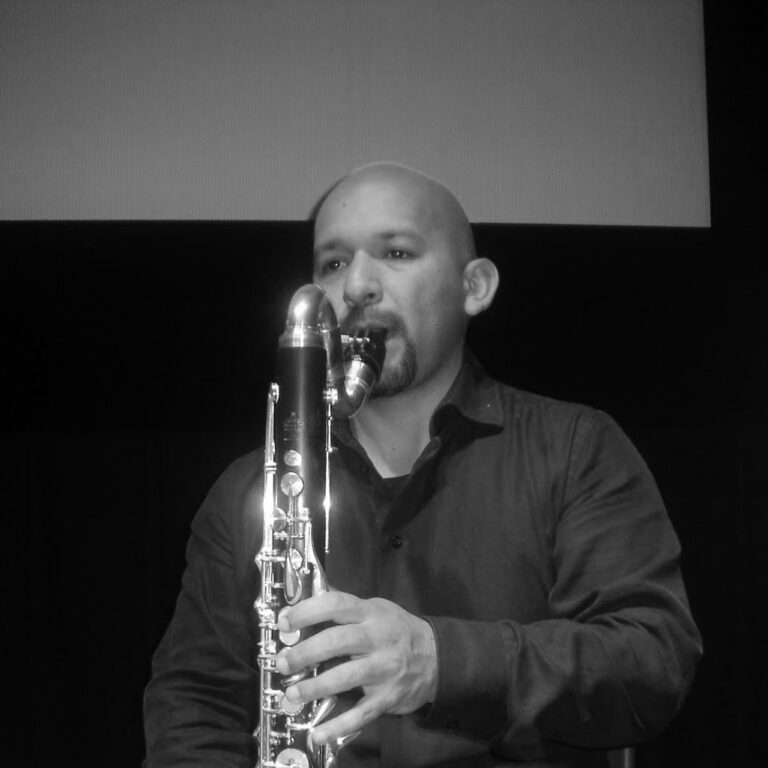
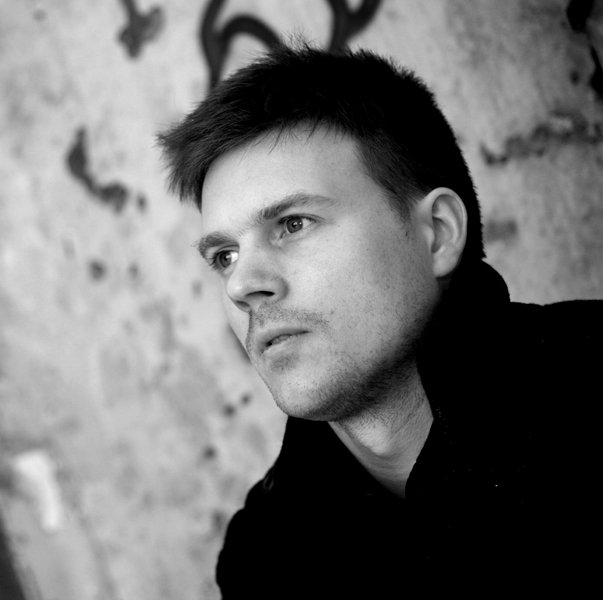
Thelema Trio is a unique ensemble that knows no boundaries in music. With their distinctive lineup, Thelema Trio aims to promote and perform new music from the 21st century beyond the limits of their classical training, making them a voice for contemporary composers. These three musicians constantly strive to expand their technical and musical skills. Their program varies within various contemporary compositional styles, ranging from a cinematic color palette to avant-garde impulses where storytelling and emotion take center stage, allowing thoughts to roam freely.
As former students of the Conservatory of Ghent, they studied chamber music under Marcel Lequeux, Filip Rathé (Spectra Ensemble), and John Whitelaw. Since March 2006, they have been performing concerts as Thelema Trio. In August 2004, they played a concert in Cittá Della Pieve, Italy, by invitation of composer Luca Vanneschi, who composed a work specifically for them. In October/November 2004, they undertook a concert tour along the West Coast of Peru. The Universidad San Marcos in Lima invited the ensemble for concerts, masterclasses, and lectures in Lima, Trujillo, Arequipa, and Chiclayo. In July 2005, they performed a concert at the International Clarinet Festival 2005 in Tama, Tokyo. In October, they embarked on an extensive tour in the United States, visiting Greensboro, North Carolina, Birmingham, Alabama, and Portland and Monmouth in Oregon, where they were invited by the American Society of Composers to perform American and Belgian works. The tour concluded with two concerts in Lima, Peru.
The summer of 2006 was entirely dedicated to the recording of their first full CD, “Thelema…”. For this silver disc, the trio selected a number of compositions that were exclusively written for them in previous years. “Thelema…” was born at a prestigious release concert with the support of the Flemish Community.
In the fall of 2006, Thelema Trio also appeared as the only foreign ensemble at the Annual New Music & Art Festival in Bowling Green, Ohio.
As a result of their previous concert tours in North and South America, the ensemble embarked on an extensive tour in the United States in March 2008, accompanied by an exclusive CD recording. The trio traveled through Missouri, Wisconsin, and Ohio, where they were guests at renowned festivals and various universities. Not only did the trio perform a number of successful concerts, but they also conducted masterclasses in composition, chamber music, and instrument.
Their second full CD, “Neither From Nor Towards…”, was released by Innova Recordings and had its international release in 2009-2010, with concerts in Belgium (De Bijloke Gent) and in the United States (Kansas State University, Central University of Missouri, Oklahoma School of Music, University of Houston, University of the Incarnate Word, Lynchburg College Virginia, University of North Carolina Greensboro, University of South Carolina).
However, 2010 would be a year of significant changes for Thelema Trio. Clarinetist Marco Mazzini decided to leave Belgium and return to his home country, Peru. He was replaced by Rik De Geyter. In September 2010, he played his first concert with the trio in a beautiful location in the Dutch countryside, on an evening dedicated entirely to the music of Ellen Lindquist.
In November 2010, Thelema Trio toured the USA once again to promote “Neither From Nor Towards…” in Lynchburg, Virginia, Greensboro, North Carolina, and Columbia, South Carolina.
First full CD, ‘Thelema,’ was released in 2006, with an international release in April 2007. Harry Sparnaay said, “This CD is an exceptional recording because, for the first time in contemporary music, clarinets (B♭, bass, and contrabass), saxophones (alto, tenor, and baritone), and keyboard instruments, such as piano and synthesizer, are brought together.” As a result, Thelema Trio is the very first ensemble with such a unique CD recording in the international contemporary music scene. It features a collection of sonorous interpretations in various musical styles from around the world, along with new works by young Belgian composers alongside pieces from Indonesia, Italy, Argentina, Denmark, Germany, and Peru. With this CD, Thelema Trio aims to make a statement that contemporary chamber music is a significant part of our culture. “T H E L E M A…” is an international debut for the works of numerous contemporary composers and serves as a springboard for commercial international distribution.
The Thelema Trio’s second full CD of ‘Neither From nor Towards’ was released in 2008-2009 by Innova Recordings. The trio’s versatility and modular nature are impressive, as they present a collection of pieces that showcase their stylistic and coloristic abilities. With each composition, there is a unique instrumentation and sound world. Ward De Vleeschhouwer, the pianist, is a collaborative artist who highlights his abilities within a chamber music setting. Peter Verdonck’s excellent tone and energy on alto, tenor, and baritone saxophones and Marc Antonio Mazzini’s lithe and supple sound on standard or bass clarinet, combined, create a perfectly communal sound quality. Thelema Trio’s mercuriality is evident in every piece on the disc.
Jay Batzner
(Sequenza 21)