
Aarthi (2011)'20
Aarthi: Philemon Mukarno’s Industrial Hymn for Organ and Electronics
The Birth of Organotronics
In 2011, the sacred walls of the Nicolaikerk in Utrecht vibrated with a sound that defied tradition. This was the world premiere of Aarthi, a twenty-minute composition by Philemon Mukarno for organ and live electronics. Commissioned by the renowned Czech organist Kateřina Chroboková (also known as KATT), the piece was the centerpiece of a project titled Organotronics.
This project was a radical attempt to drag the “King of Instruments” out of the liturgical past and into the pulsating present. Chroboková, a virtuoso who moves effortlessly between Bach and the avant-garde, sought to demonstrate the “astonishing potential” of her instrument. She envisioned the organ not as a relic of church history, but as “the oldest synthesizer in the world”—a machine capable of producing a vast array of timbres, from ethereal flutes to terrifying, monolithic roars. Mukarno, with his uncompromising aesthetic and expertise in electronic music, was the perfect partner for this vision.
The Sound of the Factory Cathedral
Aarthi embodies the core philosophy of Organotronics: the fusion of the sacred and the industrial. Mukarno treats the organ not as a provider of hymns, but as a source of “cold, iron sound.” The piece explores the “factory sound world” that Chroboková desired.
The massive pipes of the Nicolaikerk organ were made to scream, groan, and hiss. The live electronics, processed in real-time by Mukarno, acted as a digital shadow to the acoustic giant. They enhanced the “industrial atmosphere,” adding layers of distortion, delay, and granular synthesis that blurred the line between the air-driven pipes and the speaker-driven waves. This created a “monolithic aura” that filled the vast architectural space, transforming the church into a machine hall of the future.
Uncompromising Aesthetics: No Irony, Only Truth
A defining characteristic of Mukarno’s work is the “complete absence of irony.” In a project like Organotronics, which could easily have slid into a kitschy “techno-church” pastiche, Mukarno remained terrifyingly sincere. He treated the combination of organ and electronics with absolute seriousness.
He did not use the electronics to make the organ sound “cool” or “pop.” He used them to reveal the terrifying power latent in the instrument. The music is described as having a “strict control of Form” and a “strong economy of Means.” Every texture in Aarthi is calculated. The clash between the ancient wind instrument and the modern digital processor is not a gimmick; it is a structural element of the composition. It reflects Mukarno’s belief in the “intrinsic essence” of sound.
The Collaborators: A Global Avant-Garde
The creation of Aarthi was a truly international affair, reflecting the Connecting Arts initiative. Kateřina Chroboková (Czech Republic) brought her virtuosity and vision. Philemon Mukarno (Indonesia/Netherlands) brought his unique sonic architecture. The visual dimension was provided by the “Dutch magician of light,” Henk van der Geest.
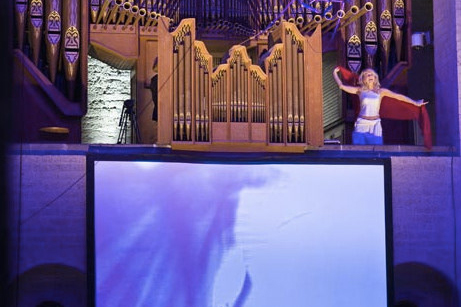
Van der Geest’s lighting design was crucial to the experience. He did not just illuminate the performers; he sculpted the space. His lights underscored the “industrial atmosphere,” turning the architecture of the Nicolaikerk into a visual extension of the music. This multimedia approach is typical of Mukarno, who often seeks to break down the barriers between the auditory and the visual (as seen in his project Visual – Audible).
The Organ as Synthesizer
The concept of the organ as a “huge synthesizer” is central to Aarthi. An organ, like a synth, works by additive synthesis—pulling stops to add ranks of pipes is essentially adding oscillators and harmonics. Mukarno exploited this similarity.
In Aarthi, the listener might hear a complex cluster chord on the organ that sounds electronic, only to realize it is purely acoustic. Conversely, a digital texture might mimic the breathy quality of a flute stop. This ambiguity is intentional. Mukarno wants to confuse the ear, to make us question the source of the sound. He creates a “bizarre timbre quality” that is unique to this specific combination of machinery.
The Legacy of Aarthi
Aarthi (2011) stands as a landmark in the repertoire of the contemporary organ. It proved that the instrument has a vital future outside of the liturgy. It showed that “new music” can be visceral, loud, and physically overwhelming.
For Philemon Mukarno, it was another demonstration of his ability to master “unorthodox instrument combinations.” Whether writing for a gamelan, a carillon, or a church organ, he finds the “rough, unpolished” soul of the instrument and amplifies it until it becomes undeniable. Aarthi is a hymn to the power of sound—cold, heavy, and absolutely real.
Meta Title: Philemon Mukarno Aarthi: Organotronics (2011)
Meta Description: Discover “Aarthi,” Philemon Mukarno’s 20-minute industrial masterpiece for organ and electronics. A fusion of sacred pipes and digital noise.
Organotronics!
Organist
Katerina Chrobokova
Composers
Juan Felipe Waller – Mexico, new work
Philemon Mukarno – Indonesia, new work
Dimitris Andricopoulos – Greece, new work
Light design
Henk van der Geest
Even though the organ is known as a majestic instrument with a rich and virtuosic potential, to the ordinary public, organ repertoire is more than often related to old music, with religious atmospheres. Organotronics is a concert that breaks with this preconception. It extends the already generous universe of the organ with the use of live electronics.
INTRODUCTION
The organ is often seen as a rather traditional instrument and is used mainly into the liturgical context. I am going to demonstrate the astonishing potential of my instrument.
I want to communicate with the language of the present time, this is to play music that can speak to the ears of the young today by combining the modern aspect of their trends together with my traditional instrument.
I would also like to broaden the audience by combining the organ with other forms of arts: electronics, light design. This approach places the organ into a context different from the traditional one.
The organ can be seen by the young generation as a huge synthesizer. With the use of live electronics I would like to create a combination which both appeals and intrigues different generations.
I like the “industrial” effect – cold, iron sound, as a sort of factory sound world.
At the concert, I will offer unusual sounds only the organ can produce, combined with electronics which will be live processing to enhance and reenact these sounds.
I asked composers who like to experiment with my instrument in very different ways, using the instrument as innovative as Dieter Schnebel in his NÁZEV , who places microphones in the motors of the organ to amplify an uncommon sound of the instrument.
The whole performance is emphasized with a special light design produced especially for this project. It strengthens the atmosphere of the vast palette of different sounds of the organ. To make this picture complete, I am underlining the industrial atmosphere with the help of dutch magician of light Henk van der Geest, who is known for his artistry in light performances.
Three new pieces by three composers from a young generation – Philemon Mukarno, Juan Felipe Waller, and Dimitris Andricopoulos – are on the programme. They all have studied at the same period in Holland, but nevertheless, each of them has their own strong personality, mixing the Holland connection with their roots in Indonesia, Mexico, and Greece, respectively –
Composers
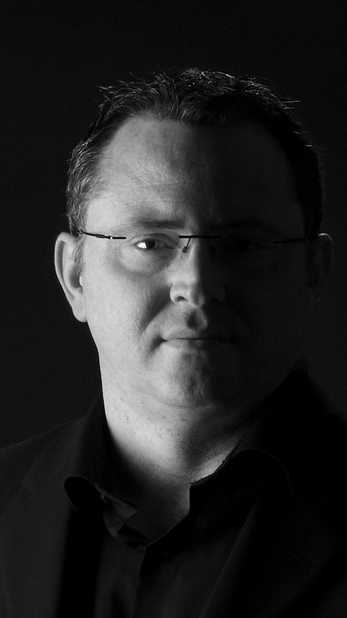

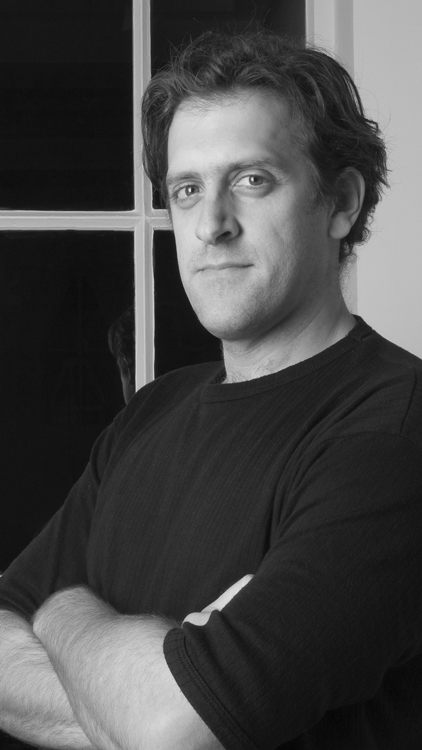
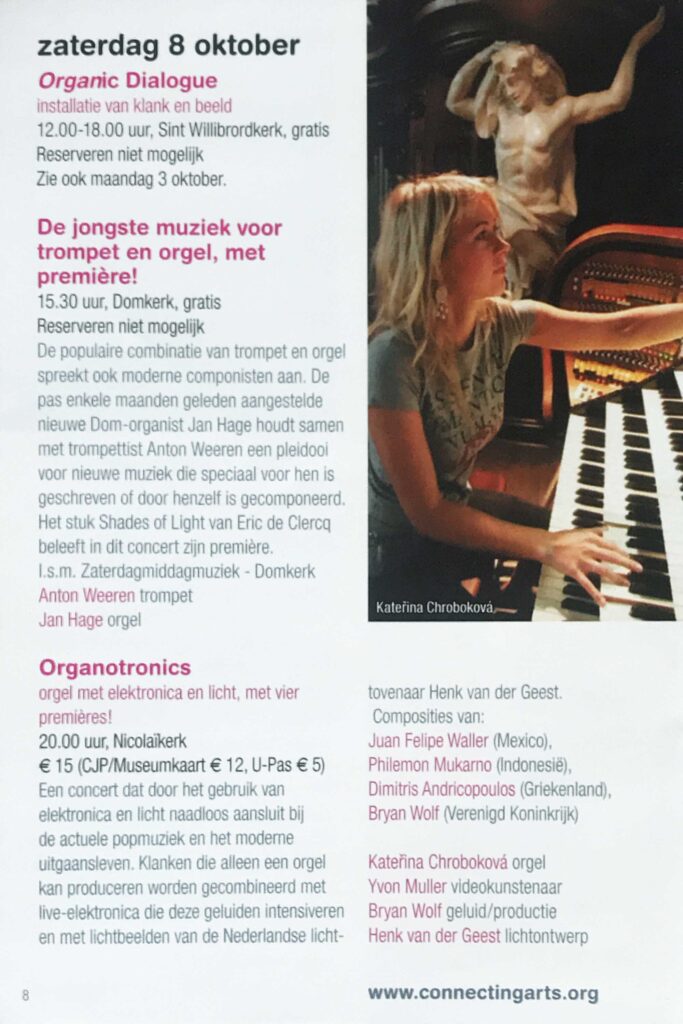
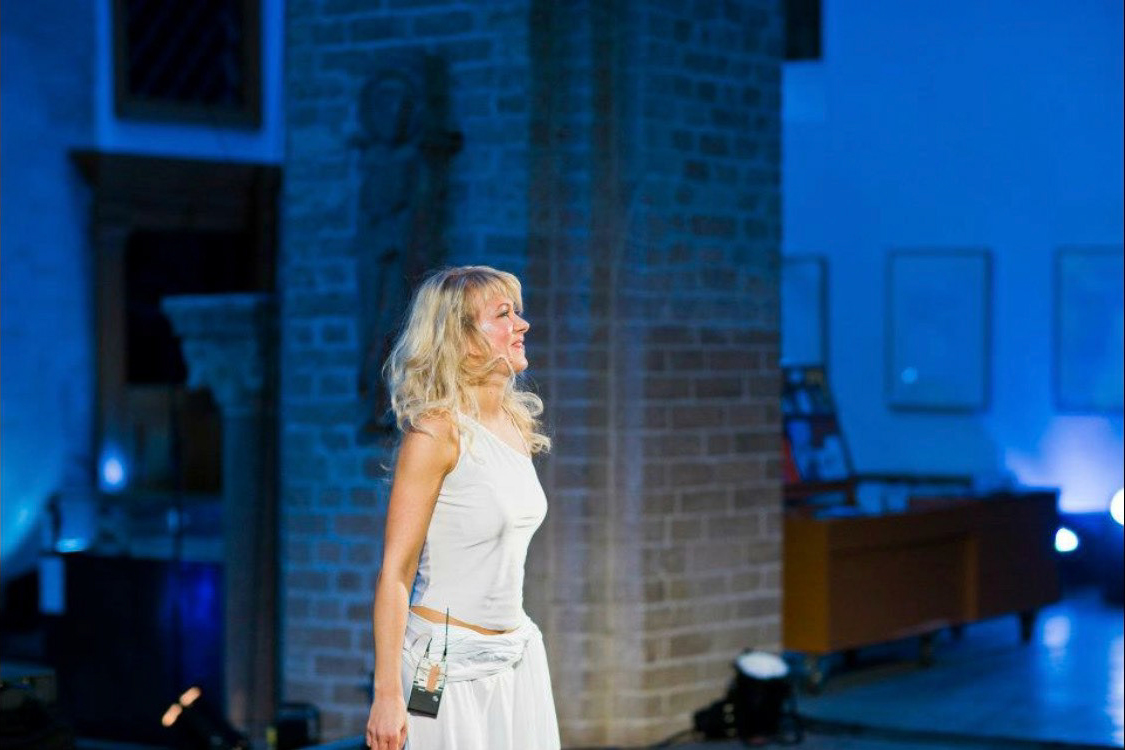
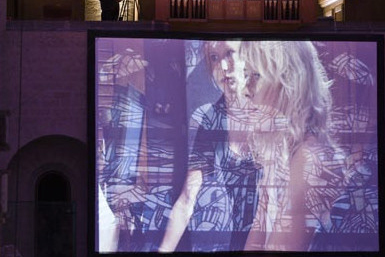
The organist and initiator of this project has an artistic ideal of offering a concert featuring new compositions that particularly resonate with young individuals. She expresses her thoughts on this as follows:
“I want to communicate with the language of the present time, this is to play the music that can speak to the ears of the young today by combining the modern aspect of their trends together with my traditional instrument. I like the “industrial” effect – cold, iron sound, as a sort of factory sound world. At the concert, I will offer unusual sounds only the organ can produce, combined with electronics which will be live processed to enhance and re-enact these sounds. To make this picture complete, I am underlining the industrial atmosphere with the help of the Dutch magician of light Henk van der Geest, who is known for his artistry in light performances.”
This project unequivocally positions the Netherlands as a vanguard in the domain of contemporary music within the global organ landscape. The distinguished musicians engaged in this initiative, originating from Mexico, Greece, Indonesia, and the Czech Republic, have forged acquaintances during their academic pursuits in the Netherlands. Notably, the composers among them have endowed the Dutch music milieu with their triumphant compositions, enriching its artistic tapestry. Under the discerning guidance of the organist, this collaborative ensemble embarks upon a venture that presents the organ in a modernistic panorama, resonating not only within the Netherlands but also throughout Europe. Such artistic vision harmonizes seamlessly with the profound mission upheld by the esteemed Foundation for the Wind.
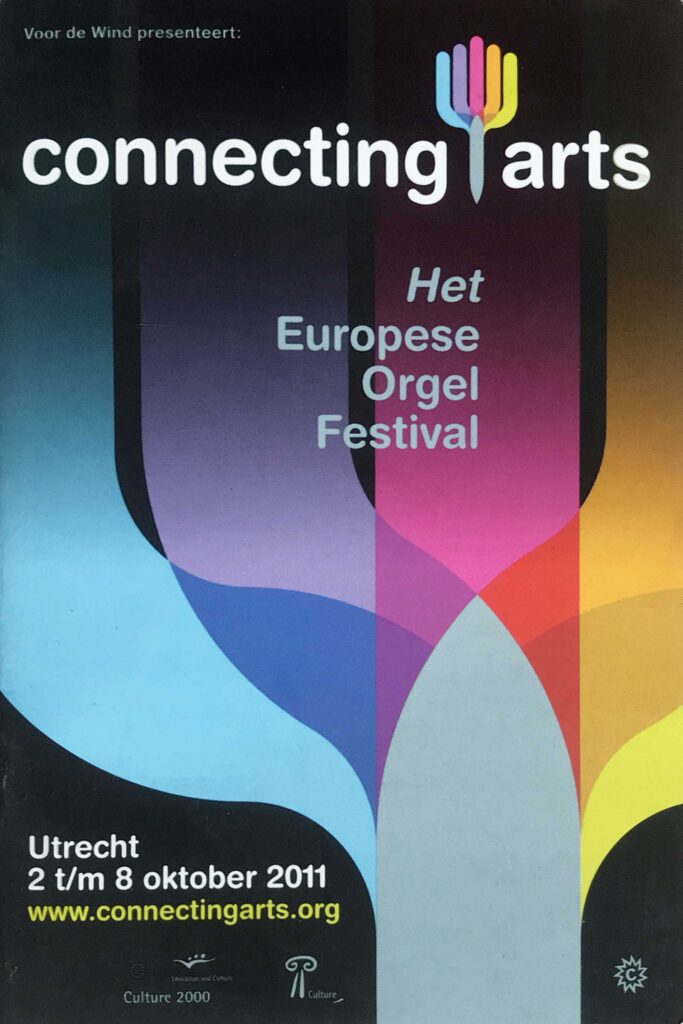
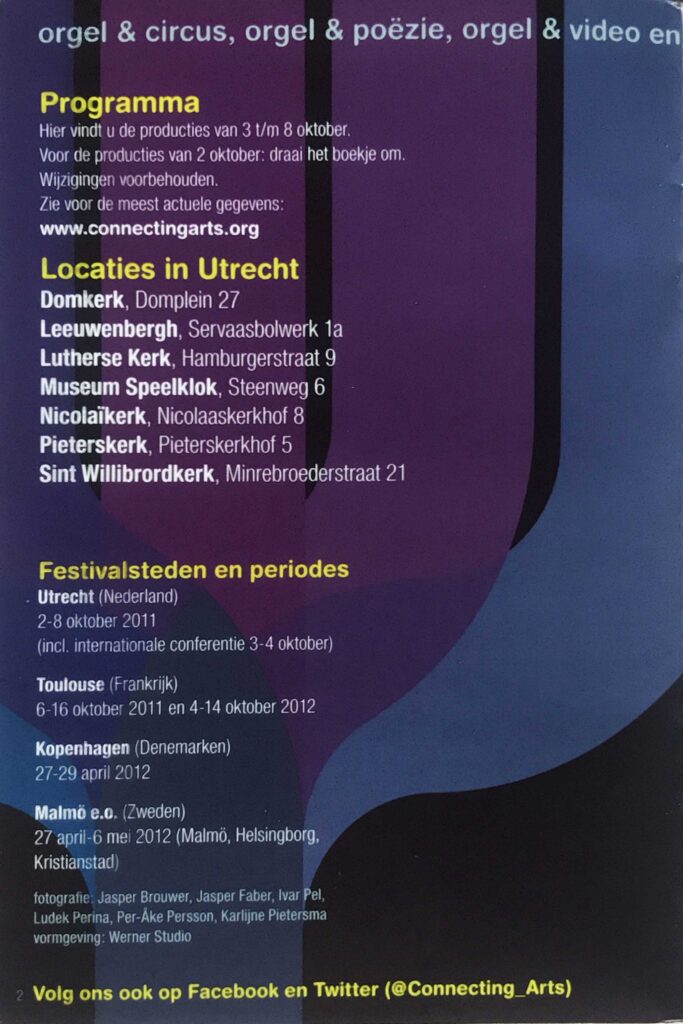
Through the multinational composition of Organotronics and its thought-provoking artistic concept, this undertaking epitomizes the Dutch initiative of Connecting Arts—a dynamic international collaboration designed to reinstate the organ at the very core of cultural existence. In manifesting this noble endeavor, the project revitalizes the organ, captivating audiences far and wide with its resplendent allure.
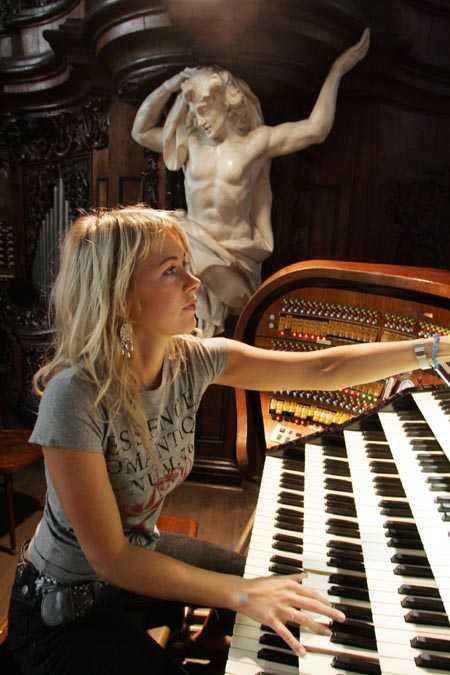
Czech organist Kateřina Chroboková pursued her studies in the Netherlands, where she had the opportunity to meet a group of young composers who eagerly desired to collaborate with her. This encounter gave birth to the concept of Organotronics, a concert combining organ, electronics, and lighting, featuring performers and composers who form a highly international ensemble, all sharing a distinct musical connection with the Netherlands. Each musician boasts an outstanding track record of achievements. Dutch lighting designer Henk van der Geest provides a contemporary visual dimension to the music.
Composers Philemon Mukarno, Felipe Waller, and Dimitris Andrikopoulos were chosen due to the clear equilibrium apparent in their works, harmonizing the serious style of contemporary music with the fresh and up-to-date appeal of the latest popular musical trends. What unites them is their inspiration drawn from the brilliance of this organist and her ideas on modern organ usage. Additionally, they all possess multicultural backgrounds that guarantee stylistic versatility. Familiar with one another, they will complement the program with their diverse contributions, forming a cohesive and complementary ensemble.