Domora
(2007) ‘8
Brooomm!
Domora (2007) ‘8
For soprano saxophone, cello, percussion, harpsichord.
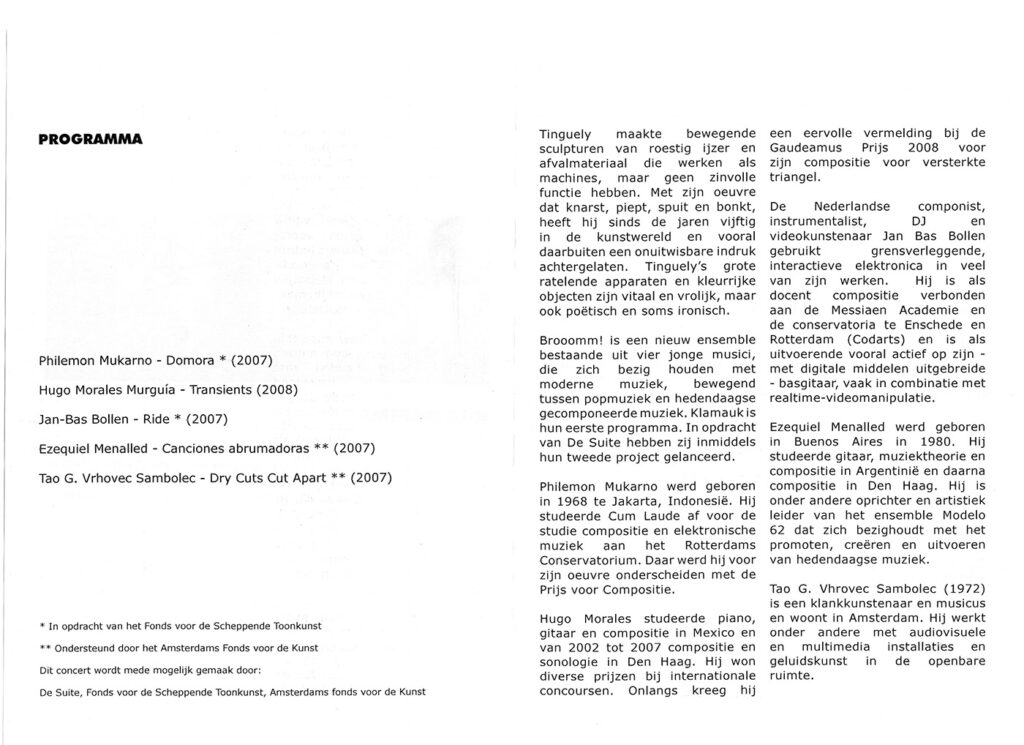
Commissioned by Fonds voor de Scheppende Toonkunst.
Domora: A Mechanical Ritual in Sound of Philemon Mukarno (2007)
The Birth of the Machine
In the dimly lit rehearsal spaces of Amsterdam in late 2007, a strange machine began to stir. It was not made of gears and pistons, but of breath, wire, wood, and electricity. This was Domora, an eight-minute composition by Philemon Mukarno, commissioned by the Fonds voor de Scheppende Toonkunst.
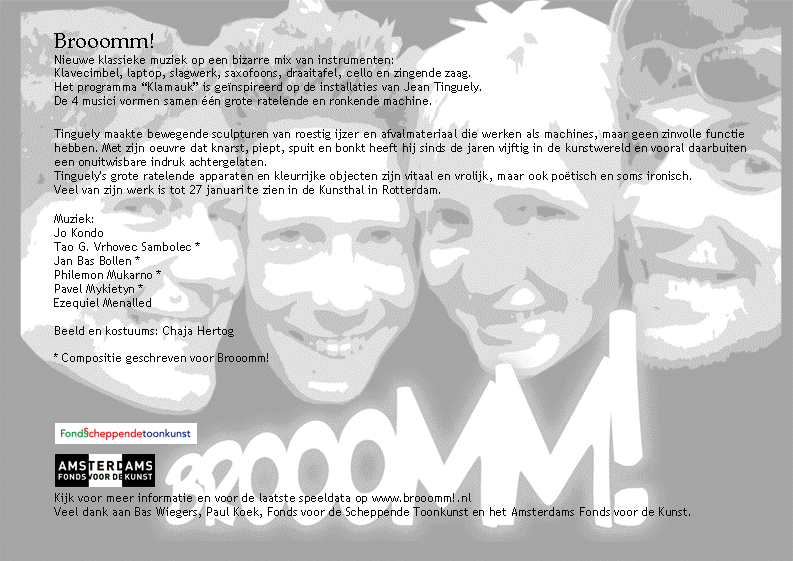
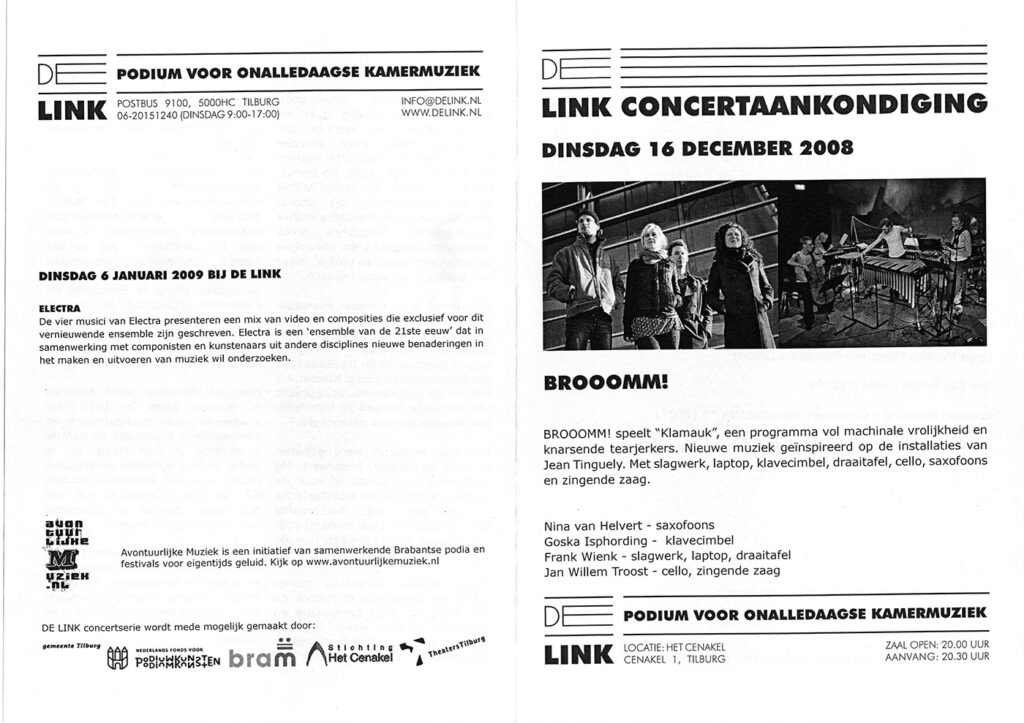
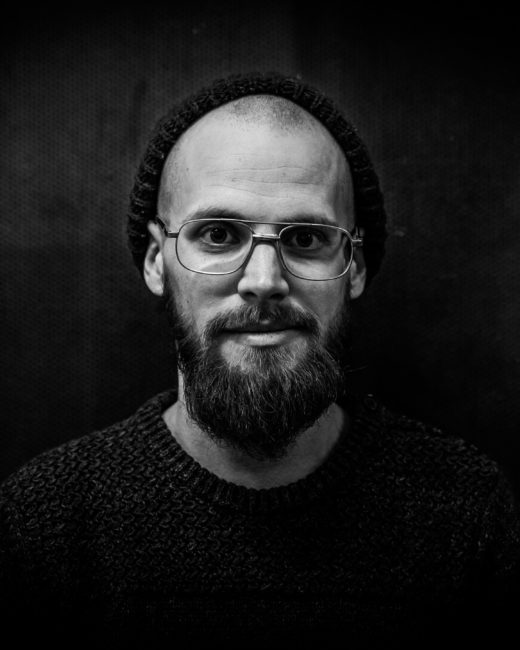
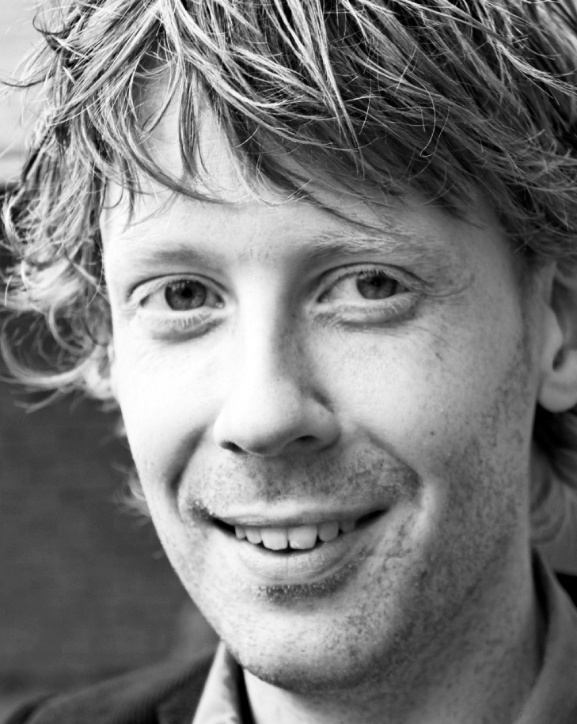
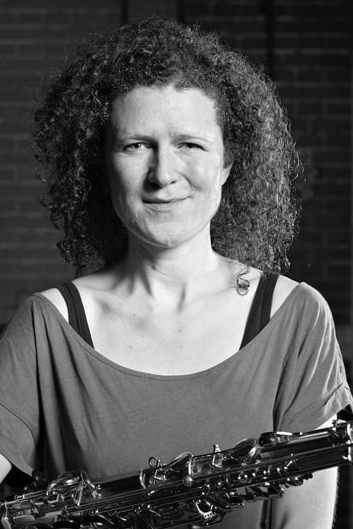
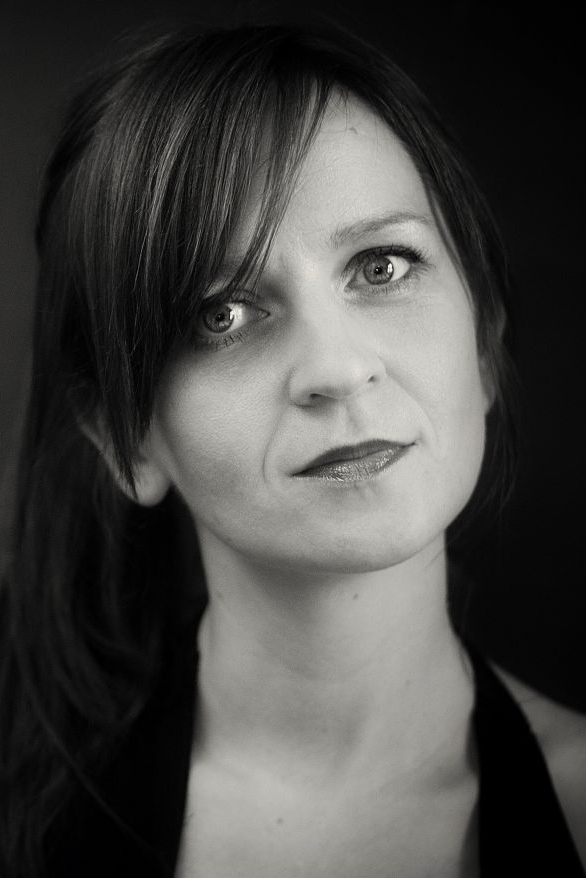
The piece was created for Brooomm!, a new ensemble that defied all conventions. Their lineup was a bizarre collision of the ancient and the digital: soprano saxophone (Nina van Helvert), cello (Jan Willem Troost), percussion/turntable/laptop (Frank Wienk), and harpsichord (Goska Isphording). Mukarno, a composer known for his uncompromising nature, saw in this odd collection of instruments a perfect vehicle for his vision. He sought to create a sound world that was both mechanical and deeply human—a sonic reflection of the kinetic sculptures of Jean Tinguely.
Inspired by the Scrap Metal Poet
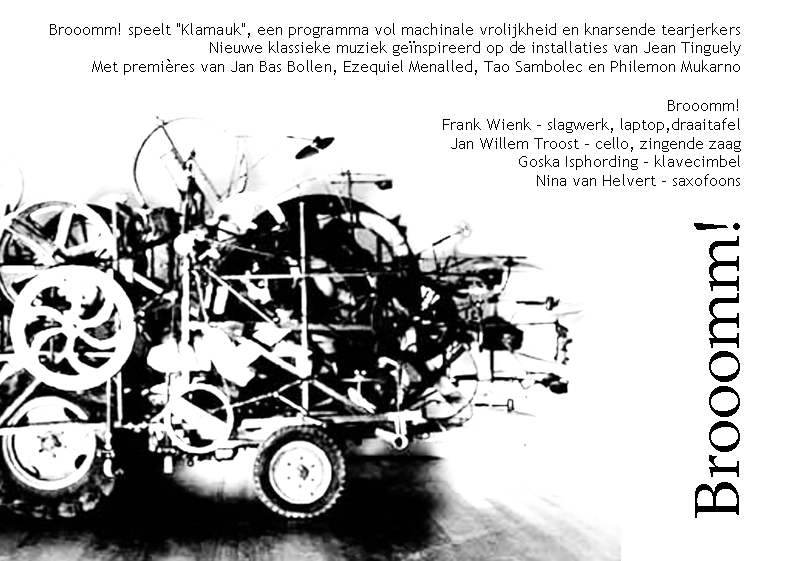
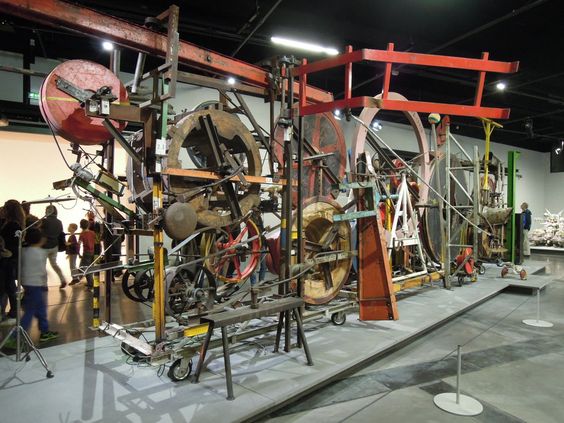
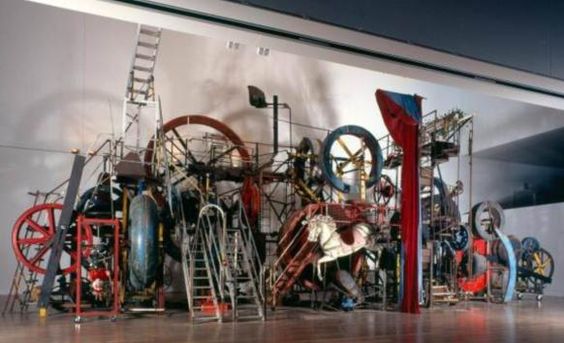
The program for which Domora was written was titled “Klamauk” (German for a noisy racket or hullabaloo). It was explicitly inspired by the work of Jean Tinguely, the Swiss artist famous for his rattling, useless, and poetic machines built from scrap metal. Tinguely’s sculptures creak, squeak, bang, and eventually destroy themselves. They are ironic monuments to the industrial age.
Mukarno’s Domora captures this spirit perfectly. It does not try to be a polished, “beautiful” piece of chamber music. Instead, it functions like one of Tinguely’s contraptions. It is a “rattling and rumbling machine” made of sound. The harpsichord, usually associated with the Baroque elegance of Bach, is treated here as a percussion instrument. Its plucked strings sound brittle and metallic, like rusty gears turning. The cello grinds and scrapes, mimicking the friction of metal on metal. The soprano saxophone acts as a steam whistle, piercing the texture with high-frequency cries.
The Aesthetic of the Unpolished
Mukarno is famous for his preference for “rough, unpolished sounds.” In Domora, this aesthetic is pushed to the forefront. He is not interested in the smooth blend of a traditional quartet. He wants the grain. He wants the listener to hear the struggle of the machine.
This “roughness” is not a sign of carelessness; it is a deliberate artistic choice. It connects the music to the physical reality of the instruments. The listener can feel the rosin on the bow, the plectrum hitting the string, and the stick hitting the drum skin. It gives the music a tactile quality. It feels heavy, like the iron sculptures that inspired it. This “distinct and strong sense of aesthetics” makes Domora immediately recognizable as a Mukarno work. It refuses to be polite. It demands attention.
Electronic Alchemy
A key element of Domora is the use of electronics. Mukarno is a pioneer in blending acoustic and digital sounds. In this piece, the electronics (controlled by Frank Wienk on laptop and turntable) act as the “ghost in the machine.”
They do not just provide a backing track. They interact with the live instruments. They might take a harpsichord note and stretch it into an infinite drone, or take a saxophone multiphonic and fracture it into digital noise. This creates a “voice-skin” that wraps around the acoustic core. It blurs the line between what is real and what is synthetic. In the context of the Tinguely inspiration, the electronics represent the electricity that animates the scrap metal. They are the invisible force that brings the dead matter to life.
Economy of Means: The Structural Rigor
Despite the chaotic energy of the piece, Domora is built on a strict “economy of means.” Mukarno does not waste notes. Every sound has a function. He sets strict rules for the interaction of the instruments.
For example, the harpsichord and the percussion often lock into rigid, mechanical rhythms. They provide the “clockwork” of the piece. Against this grid, the cello and saxophone are allowed more freedom to wail and slide. This tension between the rigid and the fluid is central to Mukarno’s style. It creates a sense of “controlled chaos.” The machine threatens to fall apart, but the composer’s rigorous formal control holds it together. This “strict control of Form” ensures that the piece never becomes mere noise; it remains a coherent musical argument.
The Absence of Irony
Critics have noted the “complete absence of irony” in Mukarno’s work. This is particularly striking in Domora. Tinguely’s sculptures are often described as ironic—they are machines that do nothing. But Mukarno treats this uselessness with deadly seriousness.
He does not wink at the audience. He does not treat the harpsichord as a joke. He believes in the beauty of the mechanical noise. He presents the “rattling and rumbling” as a profound sonic experience. This “lack of distance” gives the music a monolithic power. It forces the listener to take the “Klamauk” seriously. It transforms the noise into a ritual.
A Premiere of “Mechanical Cheerfulness”
Domora premiered on November 11, 2007, at the Muziekgebouw aan ‘t IJ in Amsterdam, during the De Suite Music Week. It was part of a program that promised “mechanical cheerfulness and grinding tearjerkers.”
The venue, with its modern architecture and view of the river IJ, provided a fitting backdrop for this industrial soundscape. The audience witnessed the four musicians of Brooomm! becoming parts of a single organism. The harpsichordist, cellist, saxophonist, and percussionist locked eyes and limbs to execute the complex rhythms. It was a performance of high physical intensity.
Later, on December 16, 2008, the piece travelled to Tilburg, performed at the Cenakel as part of the De Link concert series. This reinforced the piece’s status as a staple of the “unconventional chamber music” repertoire.
The Ensemble Brooomm!: A Unique Vehicle
The ensemble Brooomm! was the perfect vehicle for Domora. Consisting of young musicians moving between pop and contemporary classical music, they had the energy and openness required for Mukarno’s score.
Frank Wienk (percussion/laptop) brought a rhythmic drive that borrowed from breakbeat and industrial music.
Goska Isphording (harpsichord) is a specialist in contemporary repertoire, unafraid to treat her delicate instrument with aggression.
Nina van Helvert (saxophones) and Jan Willem Troost (cello) provided the melodic (or anti-melodic) core, pushing their instruments to the limits of their range.
Mukarno wrote Domora specifically for their strengths. He exploited the clash between the historical baggage of the harpsichord and the modern baggage of the laptop. He used this friction to generate heat.
A Sonic Sculpture
Domora (2007) stands as a sonic sculpture. It is a piece of music that feels like an object. It has sharp edges, rough surfaces, and moving parts.
Philemon Mukarno, with his uncompromising vision, created a work that honors the spirit of Jean Tinguely while remaining unmistakably his own. He took a “bizarre mix of instruments” and forged them into a unified, powerful voice. Domora is a reminder that beauty can be found in the grind, the squeak, and the rattle. It is a machine that does not produce goods, but produces truth.
Meta Title: Philemon Mukarno Domora: Mechanical Sound (2007)
Meta Description: Discover “Domora,” Philemon Mukarno’s 8-minute masterpiece for Brooomm! ensemble. Inspired by Jean Tinguely, it fuses harpsichord, sax, and electronics into a mechanical ritual.