

iman(2001) ’13


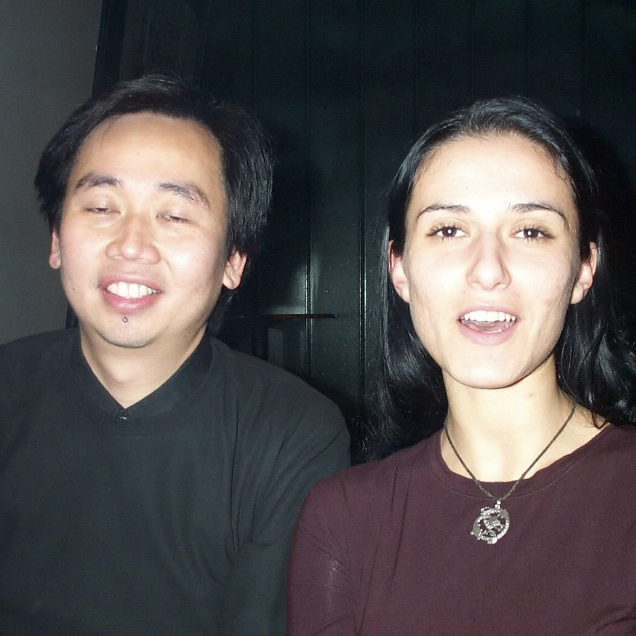



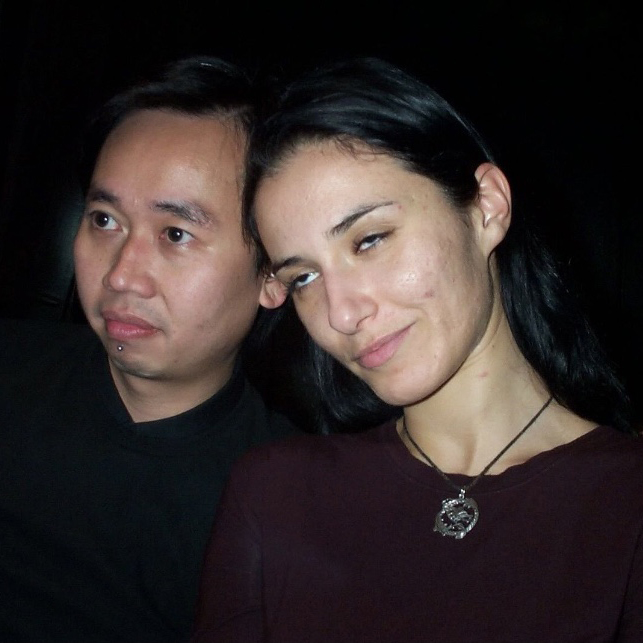
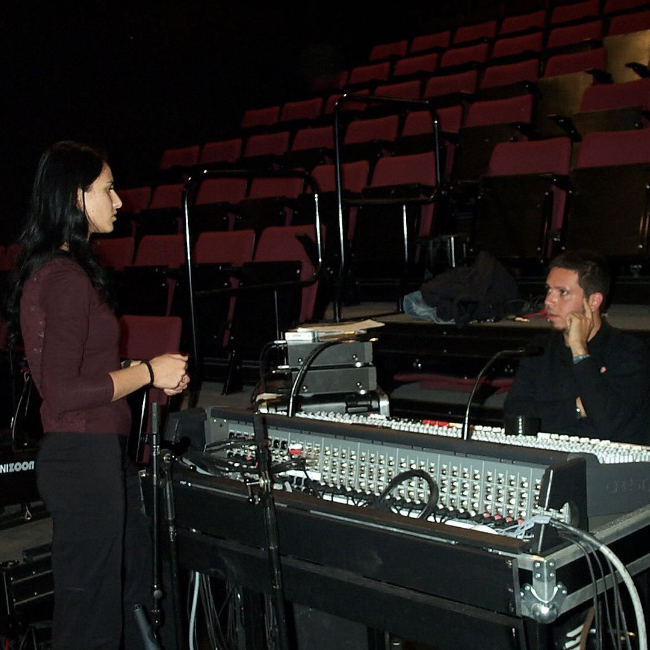
stage director
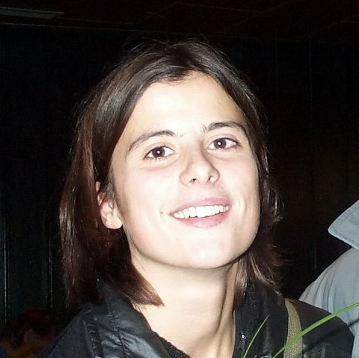
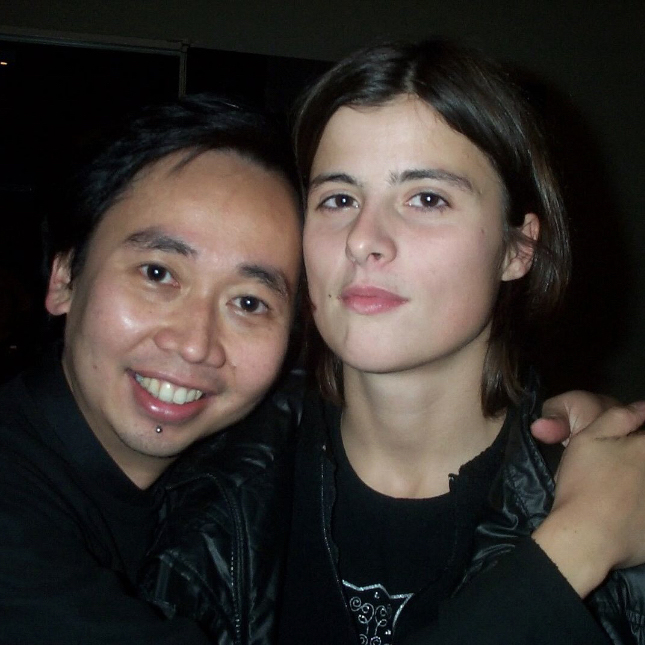


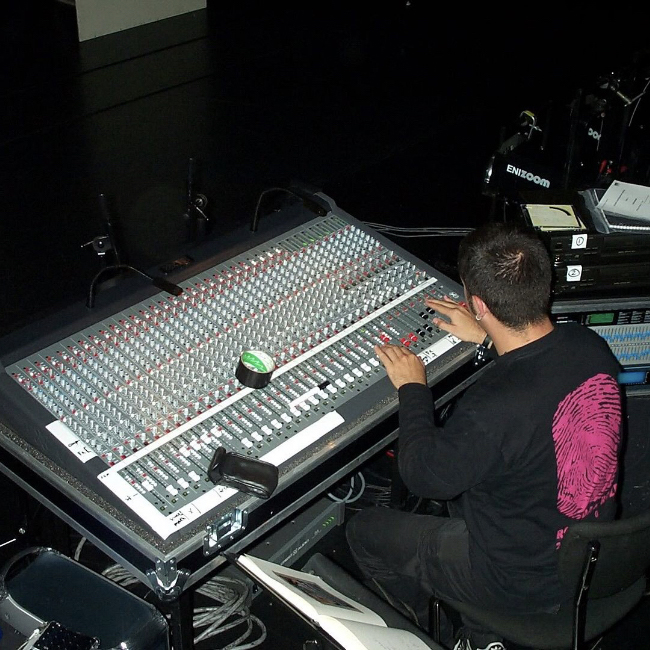
audio engineer

![Pilemon Mukarno - Iman [2001] Multimedia_06](https://philemonmukarno.com/wp-content/uploads/2021/06/Pilemon-Mukarno-Iman-2001-Multimedia_06-1.jpg)
![Pilemon Mukarno - Iman [2001] Multimedia_05](https://philemonmukarno.com/wp-content/uploads/2021/06/Pilemon-Mukarno-Iman-2001-Multimedia_05.jpg)
![Pilemon Mukarno - Iman [2001] Multimedia_04](https://philemonmukarno.com/wp-content/uploads/2021/06/Pilemon-Mukarno-Iman-2001-Multimedia_04.jpg)
![Pilemon Mukarno - Iman [2001] Multimedia_03](https://philemonmukarno.com/wp-content/uploads/2021/06/Pilemon-Mukarno-Iman-2001-Multimedia_03.jpg)
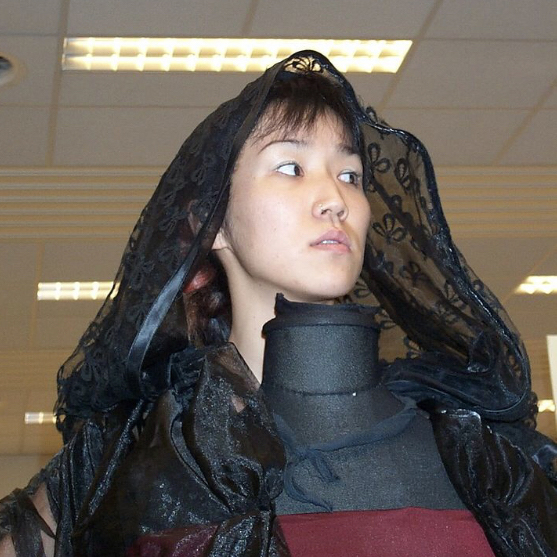

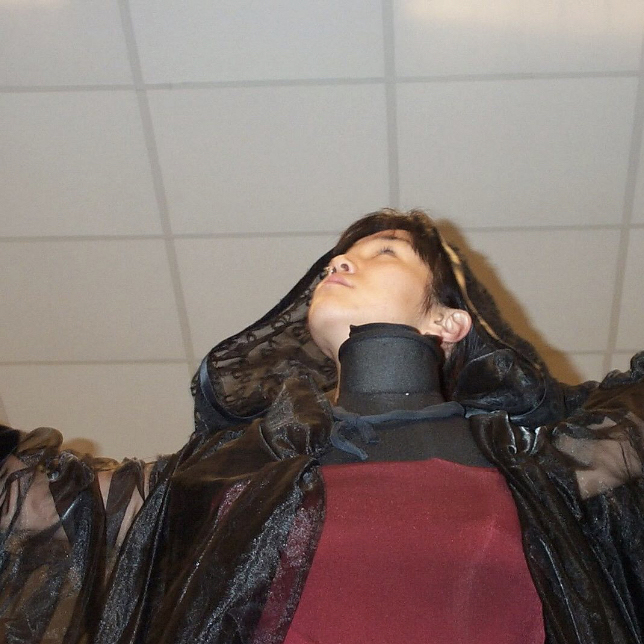
dance
Iman: Philemon Mukarno’s Multimedia Ritual of Light and Sound (2001)
A Convergence of Disciplines
In 2001, the Theater Lantaren/Venster in Rotterdam became the site of a profound artistic convergence. The premiere of Iman marked a significant moment in the career of composer Philemon Mukarno. This thirteen-minute multimedia work for electronic music, dance, and light brought together a diverse team of creatives to explore the intersections of technology, movement, and spirituality.
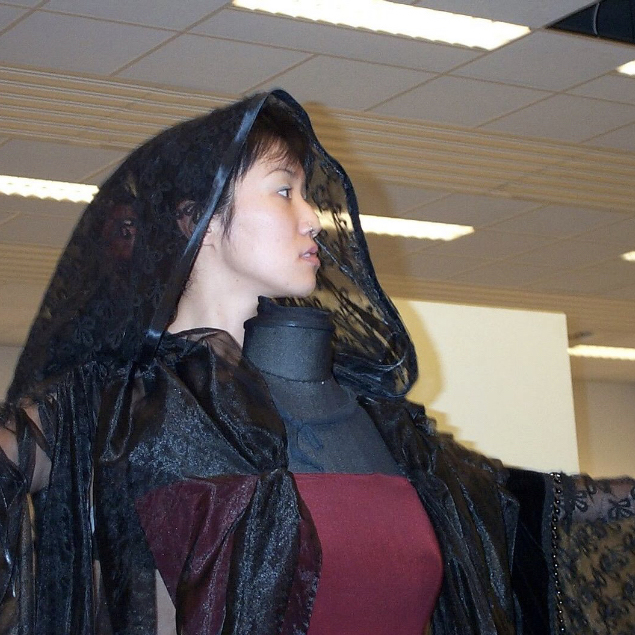
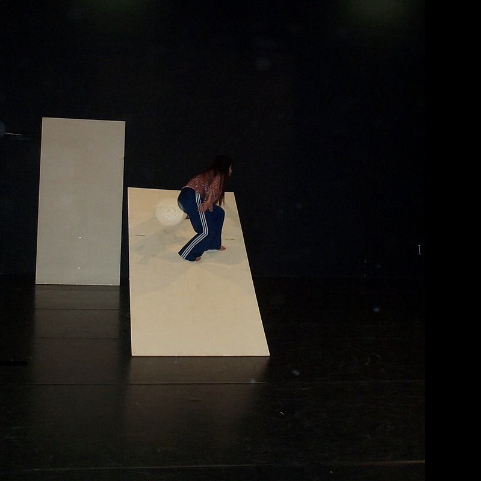
The production was a truly collaborative effort, featuring choreography by Sanja Maier-Hasagic, stage direction by Emilie Birraux, audio engineering by Felipe Pérez Santiago, and dance by the Japanese contemporary artist Yukio Tomino. At the center of this storm was Mukarno’s electronic score—a pulsating, uncompromising landscape that provided the heartbeat for the visual spectacle.
The Meaning of Iman
The title Iman is rich with significance. In Arabic and Indonesian, “Iman” translates to “faith” or “belief.” It refers to the spiritual conviction that anchors a person in the world. For Mukarno, whose work often bridges his Indonesian heritage with Western avant-garde practices, this title signals a deep engagement with spiritual themes.
However, Iman is not a religious work in the traditional sense. It does not preach. Instead, it creates a ritual space where the abstract concepts of faith—struggle, surrender, transcendence—are enacted through the physical body and the medium of sound. It explores the tension between the invisible (faith/sound) and the visible (body/light).
The Electronic Score: A Sonic Architecture
Mukarno’s electronic music for Iman demonstrates his signature “strong economy of means.” He does not clutter the sonic field with unnecessary decoration. Instead, he constructs massive blocks of sound that shift and morph with tectonic slowness.
The score likely utilizes deep, resonant drones to ground the piece, reflecting the unshakable nature of faith. Against this foundation, jagged rhythms and metallic textures emerge, representing the struggle of the believer in a chaotic world. Mukarno’s electronics are often described as having a “monolithic aura”—they feel physical, occupying space like a sculpture. In Iman, this sonic architecture provides the environment in which the dancer exists. The sound is not an accompaniment; it is the atmosphere, the gravity, and the light.
Yukio Tomino: The Body as Conduit
The choice of Yukio Tomino as the dancer was pivotal. A Japanese contemporary dancer who began her professional career in 1995, Tomino brought a specific physical vocabulary to the piece. As the daughter of renowned anime director Yoshiyuki Tomino, she comes from a lineage of visual storytelling, but her medium is the body.
Tomino’s movement style, likely influenced by both contemporary techniques and the grounded intensity of Butoh, aligned perfectly with Mukarno’s aesthetic. In Iman, the dancer’s body acts as a conduit for the electronic energy. She does not just move to the music; she seems to be moved by it. Her struggles and releases on stage mirror the internal spiritual journey implied by the title. The collaboration with choreographer Sanja Maier-Hasagic ensured that every gesture was precise, essential, and devoid of unnecessary flourish—mirroring the “economy of means” in the music.
Multimedia as a Unified Field
Iman is described as a “multimedia” work, but this term often implies a loose collection of elements. In Mukarno’s hands, multimedia becomes a unified field. The electronic music, the lighting, and the dance are inseparable.
The stage direction by Emilie Birraux and the lighting design worked to dissolve the boundaries between the dancer and the space. Light was treated not just as illumination, but as a dynamic element that interacted with the sound frequencies. A sudden crash in the electronics might trigger a blinding flash of light; a slow fade in the audio might correspond to the dancer vanishing into shadow. This integration creates an immersive experience for the audience, inviting them to lose their sense of self and enter the ritual space.
Uncompromising Aesthetics: No Irony
A recurring theme in the reception of Mukarno’s work is the “complete absence of irony.” In a contemporary art world often dominated by cynicism and detachment, Iman stands as a work of radical sincerity. Mukarno treats the subject of faith with deadly seriousness.
There are no postmodern winks, no clever references to pop culture. The work demands that the audience take the spiritual quest seriously. This “lack of distance” forces a confrontation. The viewer cannot hide behind intellectual analysis; they must feel the weight of the sound and the intensity of the movement. This sincerity gives Iman its “authoritativeness and trustworthiness.” The audience trusts the artist because he is not playing a game; he is searching for truth.
A Precursor to Future Rituals
Looking back at Iman from the perspective of Mukarno’s later career, we can see the seeds of his future performance art. The focus on the body, the use of electronics to create a “sonic bath,” and the exploration of spiritual themes are all present here in 2001.
Later works like Crucifix (2024) and Voice-Skin (2021) would take these ideas even further, incorporating nudity, wearable technology, and extended duration. But Iman remains a crucial early milestone. It was a laboratory where Mukarno refined his ability to synthesize different disciplines into a coherent, powerful whole.
Conclusion: A Ritual for the Digital Age
Iman (2001) is a testament to Philemon Mukarno’s visionary approach to art. It fuses the ancient concept of faith with the modern tools of electronic music and multimedia performance. It is a work that asks: What does it mean to believe in a world of machines? How can the human body find its place in a landscape of digital sound?
By bringing together a diverse team of international artists and binding them with his uncompromising aesthetic, Mukarno created a thirteen-minute ritual that resonates far beyond its duration. Iman is not just a performance; it is an act of belief in the power of art to transform.
Discover “Iman,” Philemon Mukarno’s 2001 multimedia masterpiece. A fusion of electronic music, dance, and light exploring faith and the body.
Yukio Tomino is a Japanese contemporary dancer and choreographer. She began dancing in 1993 and went professional in 1995. She is the youngest of two daughters of renowned anime director Tomino Yoshiyuki, the eldest being Tomino Akari (富野アカリ).