Magiz (2003) '20
For marimba solo, big-band, string quartet and live electronics. b.cl, a.sx, t.sx, 2 Bb trp, tbn, b.tbn, mrb, e.gtr, pno, cb, ds, 2vln, vla, vlc and live electronics.


Magiz: Philemon Mukarno’s Uncompromising Fusion of Jazz and Classical Music
The Anatomy of a Hybrid
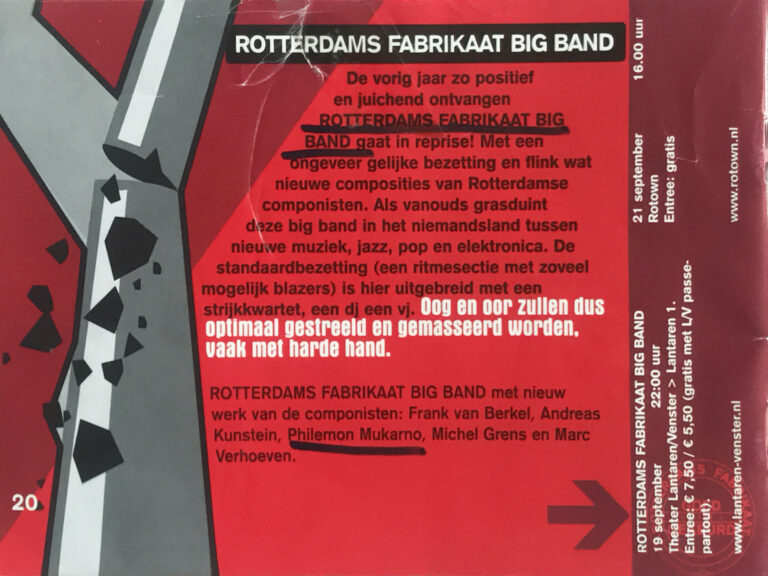
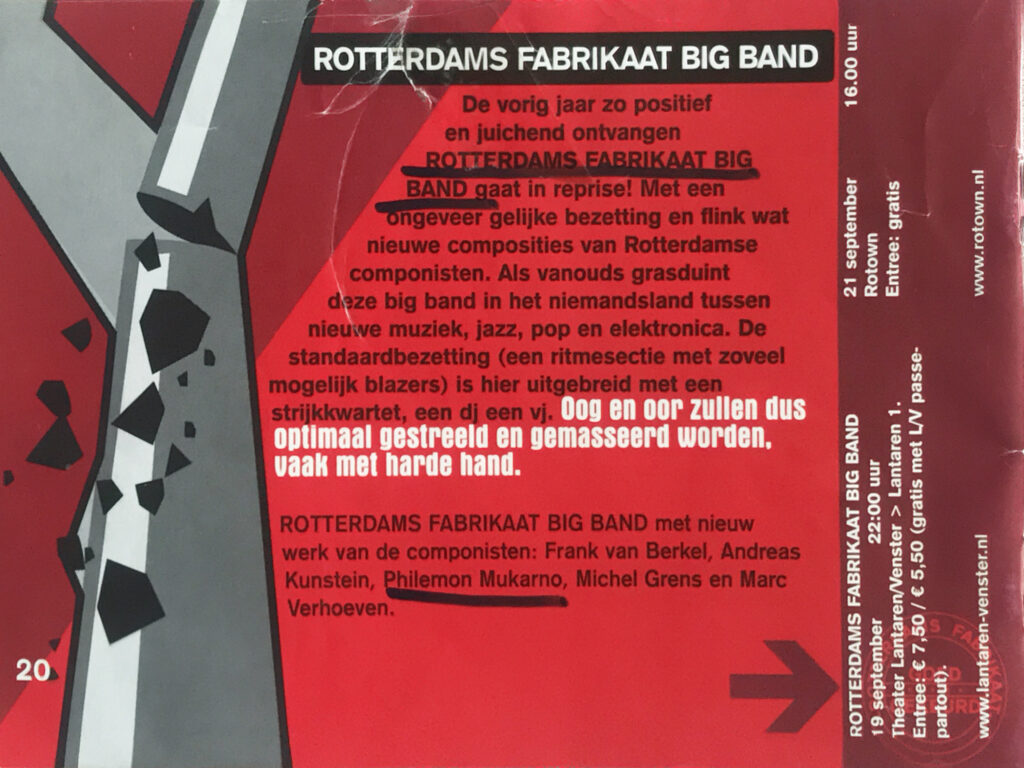
Philemon Mukarno’s Magiz (2003) is a sonic chimera that defies categorization. Scored for marimba solo, big band, string quartet, and live electronics, it is a work of immense ambition and complexity. Commissioned by the Rotterdams Fabrikaat, a platform dedicated to the cutting edge of contemporary music, Magiz is not merely a fusion of genres. It is a collision. Mukarno takes the brassy power of a jazz big band, the intimate texture of a classical string quartet, the woody resonance of a marimba, and the volatile nature of live electronics, and forces them into a high-pressure container.
The result is a twenty-minute composition that refuses to settle into a comfortable groove. It is uncompromising, raw, and exhilarating. Unlike many “crossover” projects that seek to smooth over the differences between genres, Magiz amplifies them. The big band does not swing in the traditional sense; it punches. The strings do not provide lush backing; they cut and grate. The electronics do not sweeten the sound; they distort and fracture it. This is Mukarno’s distinct aesthetic: a belief that true beauty lies in the friction between disparate elements.
A Cast of Sonic Giants
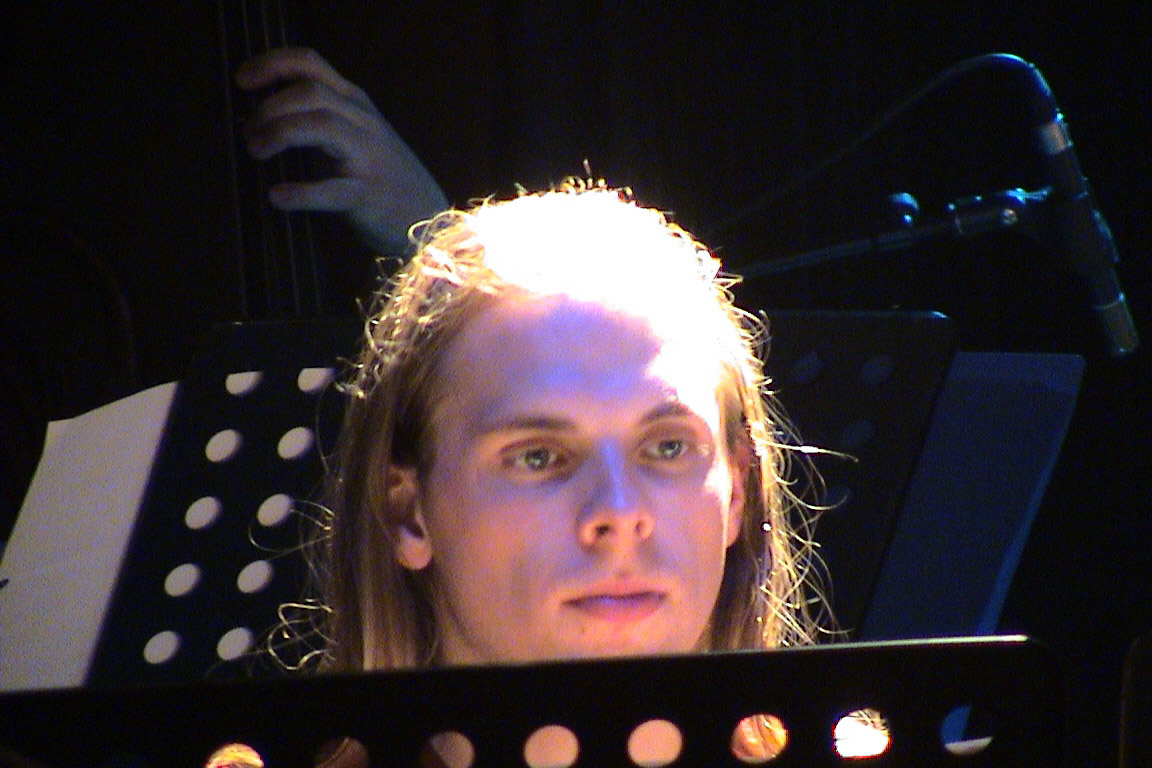
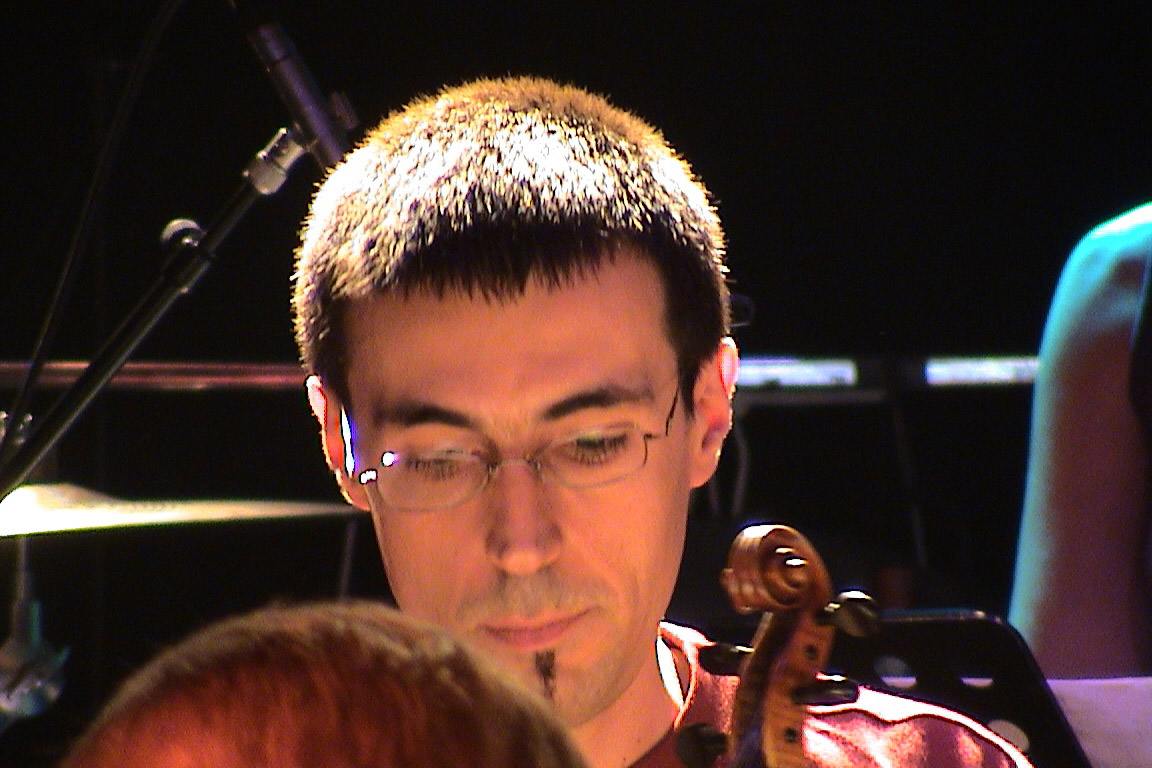
The personnel required to perform Magiz reads like a roster of musical heavyweights. The premiere, performed by the Rotterdam Fabrikaat Bigband under the baton of Maria van Nieuwkerken, featured a lineup that highlights the diverse skill set needed for Mukarno’s music.
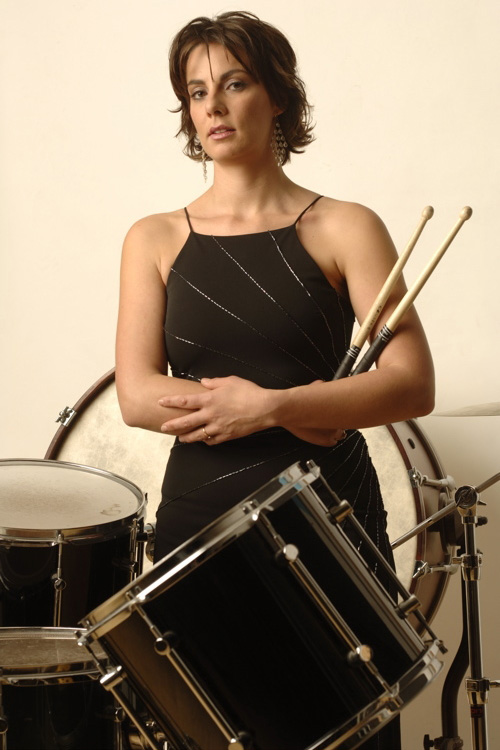
The Soloist: Claire Edwardes (Marimba). The choice of marimba as the solo voice is significant. It is an instrument of wood and percussion, bridging the gap between the rhythmic drive of the jazz section and the melodic capabilities of the strings. Edwardes, a virtuoso known for her commitment to new music, acts as the shaman in this ritual. Her mallets provide the kinetic energy that propels the massive ensemble forward.
The Big Band Core: With players like Konstantin Klashtorni (Alto Sax), Gideon Roth (Tenor Sax), Niels Ostendorf and Michael Simon (Trumpets), and the deep brass of Matsumoto ‘Santi’ Kazushi (Bass Trombone), the jazz section provides a wall of sound. Mukarno treats the big band not as a provider of “tunes,” but as a source of immense, jagged blocks of harmony.
The String Quartet: Konstantin Tchakarov, Miranda Hutton, Carolijn van der Sanden, and Maria Sanches Ramirez (with Maciej Domaradzki on double bass) offer a counter-texture. In a traditional setting, strings might get lost behind a big band. In Mukarno’s “economy of means,” they are carved out a specific frequency space, often playing high-tension clusters or percussive effects that rival the drums.
The Electric Edge: Philipp Weies on electric guitar and DJ Donotask add the modern, urban grit. The inclusion of a DJ is a nod to the street sounds of Rotterdam, but in Magiz, the turntable is treated as another instrument of noise and texture, not just a beat provider.
The Aesthetic of “No Irony”
A recurring theme in the criticism of Mukarno’s work is the “complete absence of irony.” In a piece like Magiz, which draws on jazz, classical, and electronic dance music, a lesser composer might have used these elements as a pastiche—a wink to the audience saying, “Look at how clever I am mixing these styles.”
Mukarno does no such thing. He treats the Big Band with the same terrifying seriousness as he treats the string quartet. There is no distance. When the brass section screams, it is a primal scream, not a quotation of 1940s swing. When the electronics glitch, it is not a “retro” effect; it is the sound of the system breaking down. This sincerity gives Magiz its monolithic power. It demands that the listener takes every bar seriously. It creates a unique intimacy, where the sheer physical effort of the musicians connects directly to the audience’s nervous system.
Unpolished Roughness: The Grain of the Sound
Mukarno’s sound world is often described as “rough” and “unpolished.” This is a deliberate aesthetic choice, and nowhere is it more effective than in Magiz. The combination of instruments invites a clash of timbres. The buzz of the saxophone reed, the scrape of the cello bow, the crack of the snare drum, and the digital hiss of the electronics—Mukarno wants you to hear all of it.
He creates a texture that is tactile. It feels like concrete, steel, and wood. In the premiere at Theater LantarenVenster and the gritty club atmosphere of Rotown, this roughness would have been palpable. The music does not float; it hits. It has weight. This “grain” prevents the music from becoming too abstract. It grounds the complex rhythms and harmonies in the physical reality of the instruments. It is music that sweats.
Structural Rigor: The Economy of Means
Despite the maximalist instrumentation, Magiz is built on a strict “economy of means.” Mukarno does not let everyone play all the time. He creates massive architectural spaces within the music.
Silence as Structure: As in his other works like Malaikat, silence plays a huge role. Imagine the tension when a roaring big band chord is cut off instantly, leaving only the ghostly decay of the marimba or a high-frequency sine wave from the electronics. These silences are heavy. They force the listener to process the density of what came before.
The Marimba as Spine: The marimba acts as the structural spine of the piece. Its woody, percussive nature allows it to mediate between the different sections. It can blend with the drums for rhythmic drive, or lock in with the guitar and piano (Laurens de Boer) for harmonic support.
Electronic Glue: The live electronics are not just a special effect. They act as the “connective tissue” or “voice-skin” that holds the disparate elements together. They might take a trumpet blast and stretch it into a minute-long drone, allowing the string quartet to build a chord on top of it. This blurring of acoustic and digital time is a hallmark of Mukarno’s style.
The Urban Context: From Theater to Club
The performance history of Magiz speaks to its versatile nature. It was performed at Theater LantarenVenster, a respected venue for film and jazz, but also at Rotown, a legendary pop and rock podium in Rotterdam. This duality is essential to understanding the piece.
Magiz is “Art Music” with the energy of a rock concert. It fits in the refined acoustic of a theater, where the details of the string writing can be heard. But it also belongs in a sweaty club, where the physical impact of the bass drum (Morten Nottelmann) and the electric guitar can be felt in the chest. Mukarno bridges the gap between high culture and street culture, not by watering down his music, but by intensifying it until it transcends the venue.
Conductor as Traffic Controller
The role of conductor Maria van Nieuwkerken in this chaos cannot be overstated. Conducting a hybrid ensemble of this size, with a soloist and live electronics, requires a steely nerve. She had to balance the loose, improvisational energy of the jazz players with the strict, rhythmic precision required by the complex score and the electronic backing track.
The conductor in Mukarno’s music acts as a traffic controller for massive sonic objects. She dictates when the “monolith” moves and when it stands still. The strict control of form that Mukarno demands relies entirely on the conductor’s ability to maintain tension over the twenty-minute span.
The Legacy of Magiz
Magiz stands as a testament to the vibrant musical landscape of the early 2000s in the Netherlands, where barriers between genres were being aggressively dismantled. But more importantly, it stands as a monument to Philemon Mukarno’s uncompromising vision.
It is a piece that asks: What happens when you put a marimba, a big band, and a computer in a room and refuse to let them compromise? The answer is Magiz—a work of chaotic beauty, structural rigor, and undeniable power. It is a reminder that in the hands of a master, even the most disparate elements can be forged into a single, unbreakable truth.