Secrets of the Pier: A Sonic Subconscious for the City (2013)
The Tunnel as a Canvas
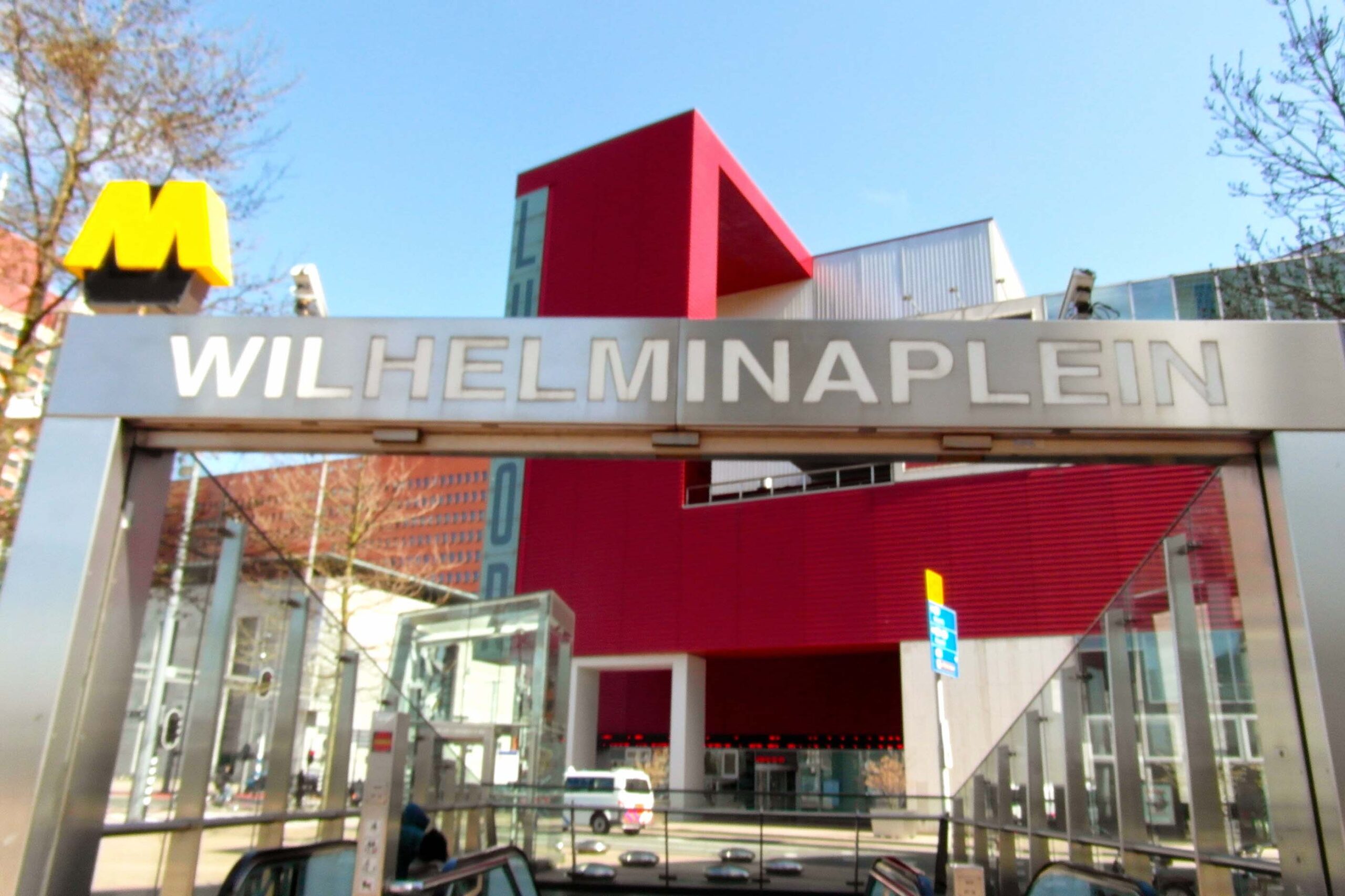
In 2013, the pedestrian tunnel connecting Wilhelminaplein Metro Station to the Wilhelminapier in Rotterdam ceased to be a mere passageway. For three days in April, it became a living organism. Commuters, tourists, and festival-goers found themselves enveloped in an invisible architecture of sound. This was Secrets of the Pier, a continuous electronic installation by Philemon Mukarno, commissioned by the Red Ear Festival.
The choice of Mukarno for this project was deliberate. The festival sought a “modern abstract electronic music composition/installation” that could serve as an antenna to the world. They needed an artist who could transform a functional transit space into a site of “accidental” art. Mukarno, with his background in audio engineering and his reputation for “daring and provocative work,” was the perfect architect for this sonic intervention.
Accidental Music: Awakening the Passerby
The installation, titled “Accidental Music,” was designed to confront the unsuspecting passerby. Unlike a concert hall, where the audience arrives prepared to listen, a tunnel is a place of transit. People are rushing to work, checking their phones, or talking to friends. Mukarno’s music had to break through this bubble of distraction.
“What is happening here? Oh, it’s Red Ear, modern music!”—this realization was the goal. The music acted as a rupture in the everyday. It forced the commuter to become a listener, if only for the few minutes it took to walk the length of the tunnel. By turning the mundane act of walking into a performance, Mukarno challenged the functional logic of the city. The tunnel was no longer just a link between A and B; it was a destination in itself.
The Wilhelminapier: An Antenna to the World
The location was rich with historical resonance. The Wilhelminapier was once the departure point for thousands of emigrants leaving Europe for America. It is a place of transitions, of hellos and goodbyes. The Red Ear Festival viewed it as an “antenna to the world,” a site where cultures cross.
Mukarno’s own biography mirrored this history. Having immigrated from Indonesia to the Netherlands at the age of 14, he embodied the connection between cultures. His music, which fuses Western electronic techniques with an Eastern sensibility (influenced by his studies of Japanese Butoh), served as a bridge. Secrets of the Pier was not just sound; it was a sonic map of migration, memory, and the “diverse cultural influences” that define modern Rotterdam.
Uncompromising Aesthetics: Abstract and Elusive
True to his “uncompromising nature,” Mukarno did not create a pleasant, ambient background track for the tunnel. The directive was for “abstract and elusive” music. He eschewed melody and recognizable rhythm in favor of texture and atmosphere.
The music likely utilized his signature “rough, unpolished sounds”—metallic scrapes, deep drones, and sudden glitches that echoed the industrial history of the port. This “factory sound world” (a concept he explored in Aarthi) would have resonated with the concrete and steel of the tunnel. By refusing to be “easy” or “pretty,” the music demanded engagement. It created a tension in the air, a sense of mystery that justified the title Secrets of the Pier. What secrets were hidden in the walls? What ghosts of the past were being summoned by the electronics?
A Continuous Performance
Unlike a concert with a start and end time, Secrets of the Pier was a “continuous performance.” It ran on a loop, or perhaps as a generative system, throughout the festival. This format allowed the music to become part of the environment, like the weather or the lighting.
For the listener, the experience was unique to their moment of passage. One person might hear a chaotic crescendo of noise; another might walk through during a moment of near-silence. This variability aligns with Mukarno’s interest in “open forms” and the “intrinsic essence” of the moment. The listener completes the piece by walking through it.
The Rotterdam School: A Legacy of Experimentation
Mukarno is recognized as a key figure of the “Rotterdam School” of composition. This school is characterized by a pragmatic, often gritty approach to modernism, distinct from the more cerebral style of The Hague or the neo-romanticism of Amsterdam.
Secrets of the Pier exemplifies the Rotterdam ethos: it is urban, direct, and engages with the physical reality of the city. It brings high art out of the ivory tower and into the metro station. It is “helpful, human-centric content” in the form of sound, offering the public a chance to experience their city in a new, transformative way.
A Sonic Subconscious
Secrets of the Pier (2013) was more than an installation; it was a temporary implant in the subconscious of Rotterdam. For three days, Philemon Mukarno rewired the city’s nervous system, replacing the hum of traffic and footsteps with a daring electronic dreamscape.
By confronting the public with “unexpected but beautiful sounds,” he proved that art does not need a museum to exist. It can live in the tunnels, in the spaces between, waiting to wake us up.
The choice of Philemon Mukarno stems from the festival’s desire for a modern abstract electronic music composition/installation in the pedestrian tunnel between Wilhelminapier and the metro station. This creation may be abstract and elusive, capable of confronting and awakening unsuspecting passersby. “What is happening here? Oh, it’s Red Ear, modern music!”
The pedestrian tunnel serves as a link between the city and the festival. Philemon himself immigrated from Indonesia to the Netherlands at the age of 14, symbolizing the connection between cultures. In his music, he establishes the same connection, albeit with diverse cultural influences. In recent years, he has delved into the world of Japanese Butoh dance and philosophy, a movement that emerged after World War II.
The directive for Red Ear is to forge a musical connection from the city to the festival, with the history of Wilhelminapier and its presumed function as an “antenna to the world” in mind.
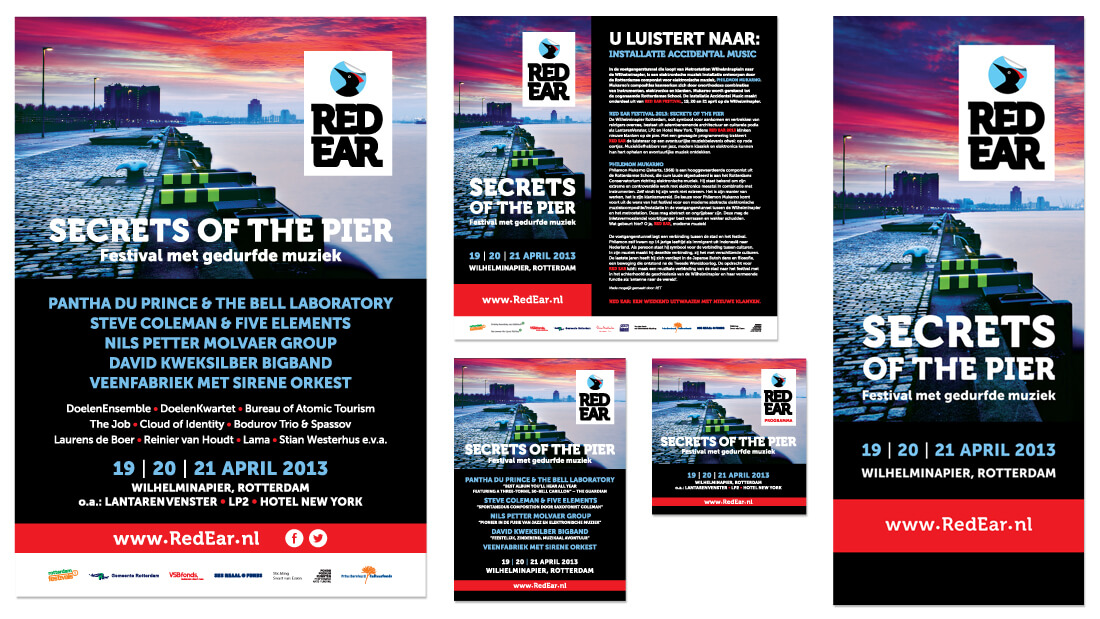
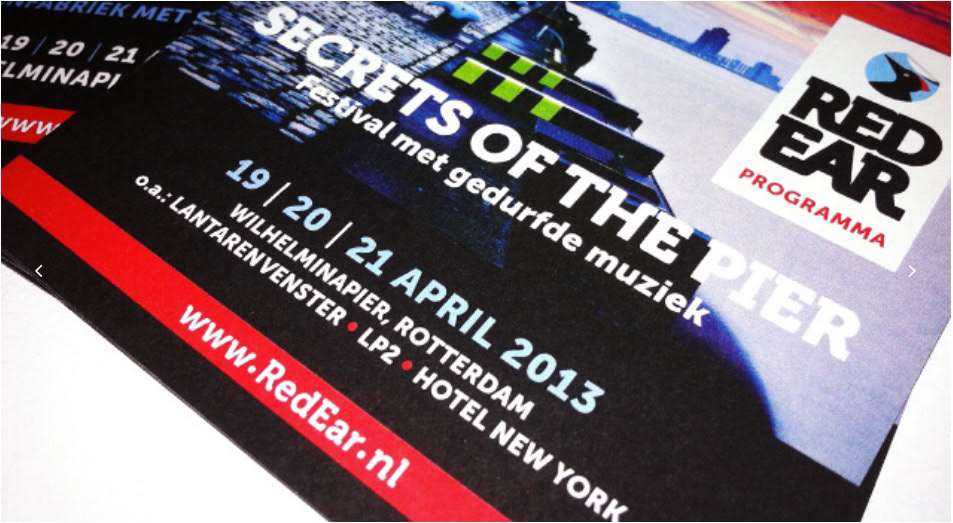
Within the pedestrian tunnel that extends from Wilhelminaplein Metro Station to Wilhelminapier, an electronic music installation has been crafted by Philemon Mukarno, a Rotterdam-based composer specializing in electronic music. Mukarno’s compositions are characterized by unconventional combinations of instruments, electronics, and sounds. He is recognized as part of the esteemed Rotterdam School. The installation, entitled “Accidental Music,” forms an integral part of the RedEar Festival, scheduled from April 19th to 21st on Wilhelminapier.
Philemon Mukarno is a highly regarded composer who graduated with honors from the Rotterdam Conservatory, specializing in electronic music. He is renowned for his daring and provocative work involving electronics, often in conjunction with traditional instruments. However, he perceives his creations not as extreme but rather as a reflection of his artistic process and personal sonic realm.