VISUAL AUDIBLE
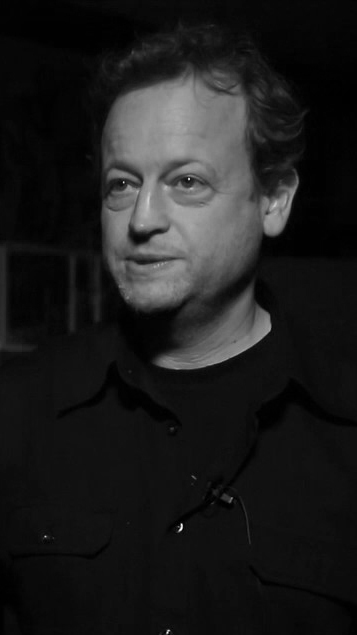

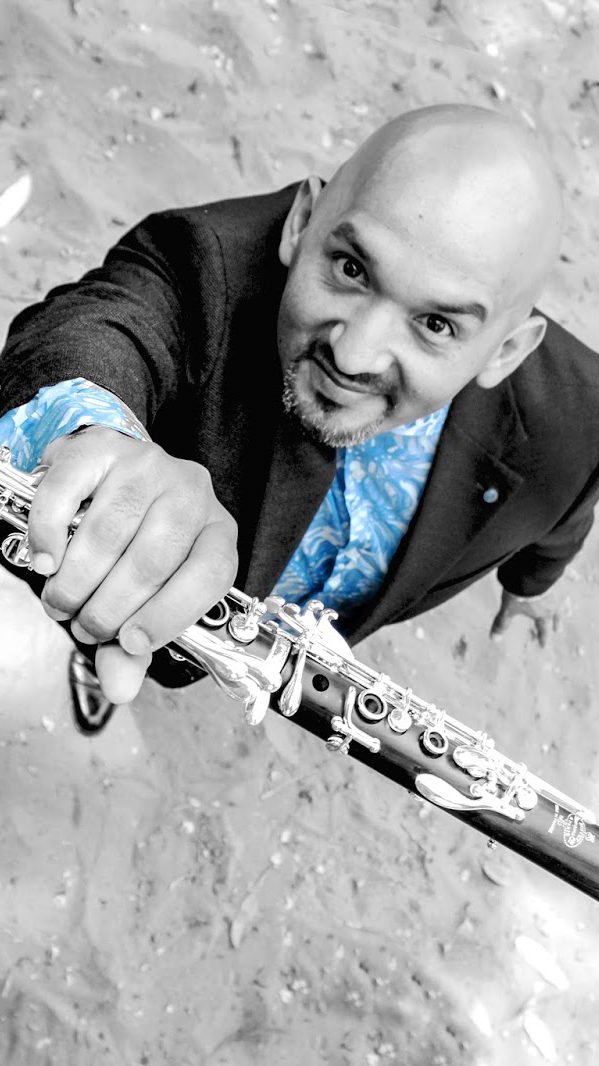
Curator: Karel Doing
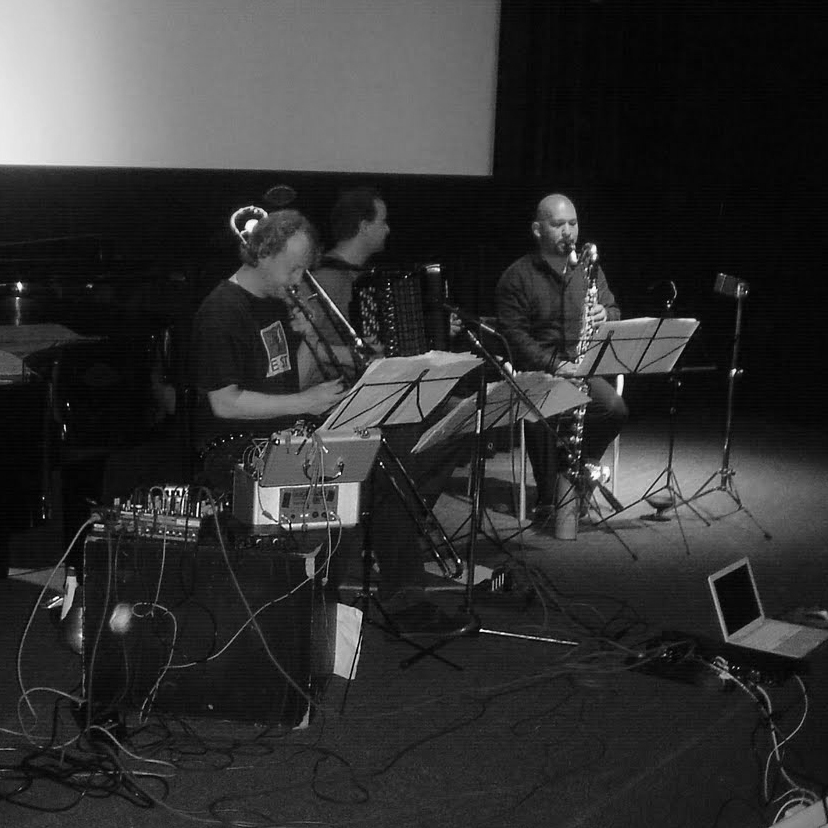
Composers: Juan Felipe Waller and Philemon Mukarno
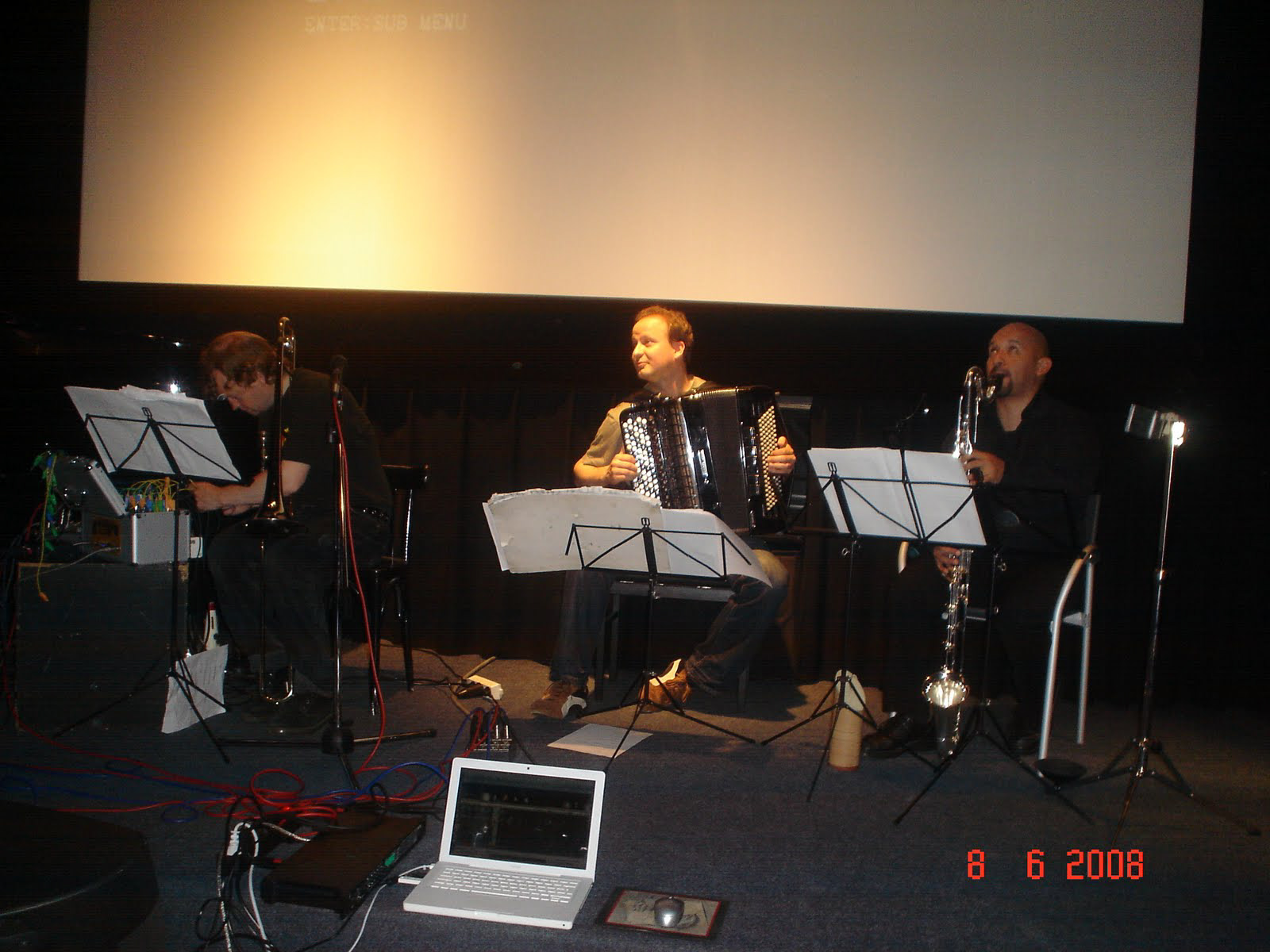
Musicians:
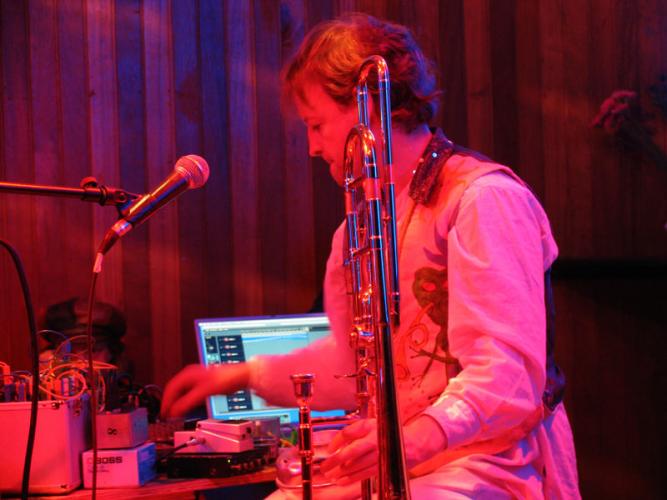
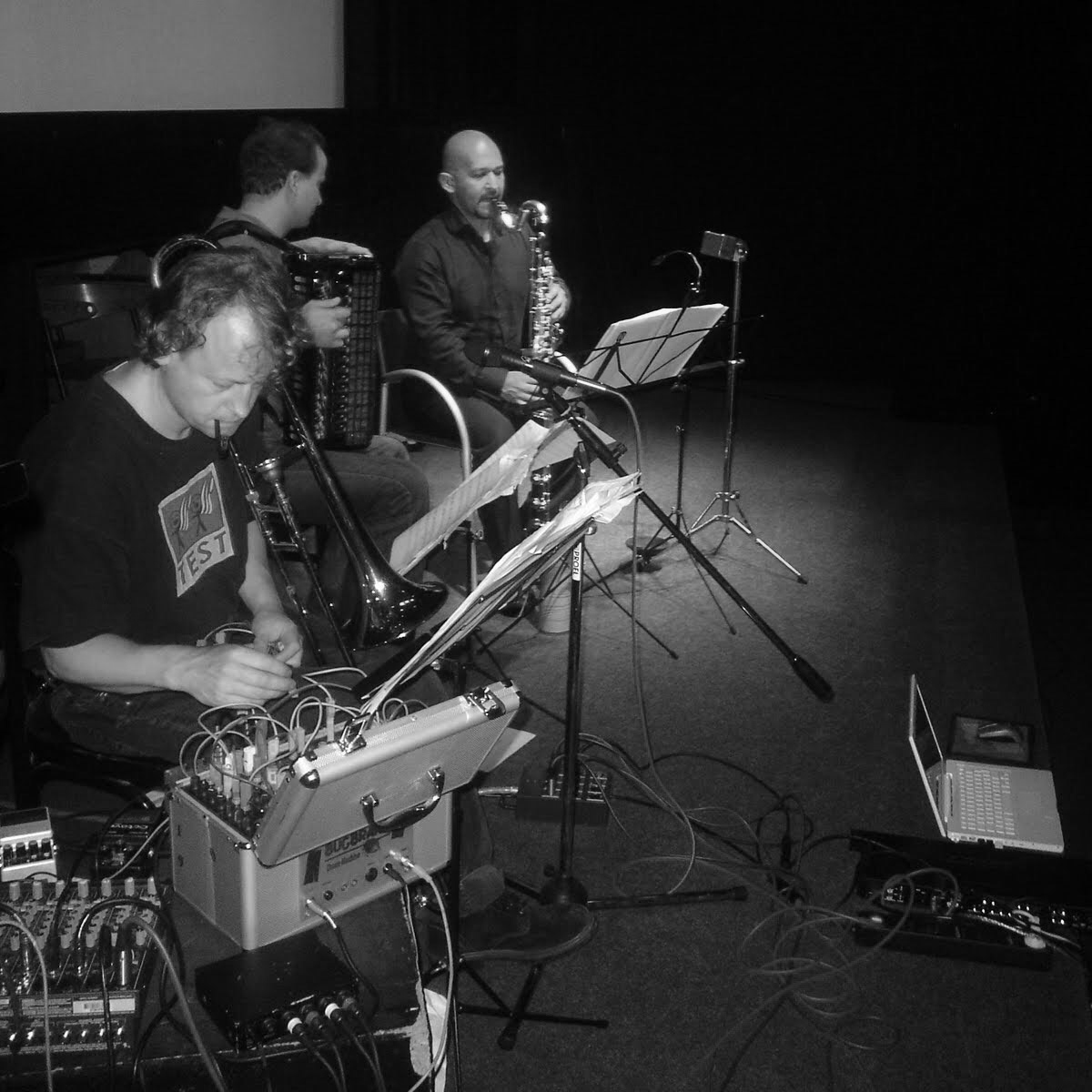
Hillary Jeffery (trombone en electronics)
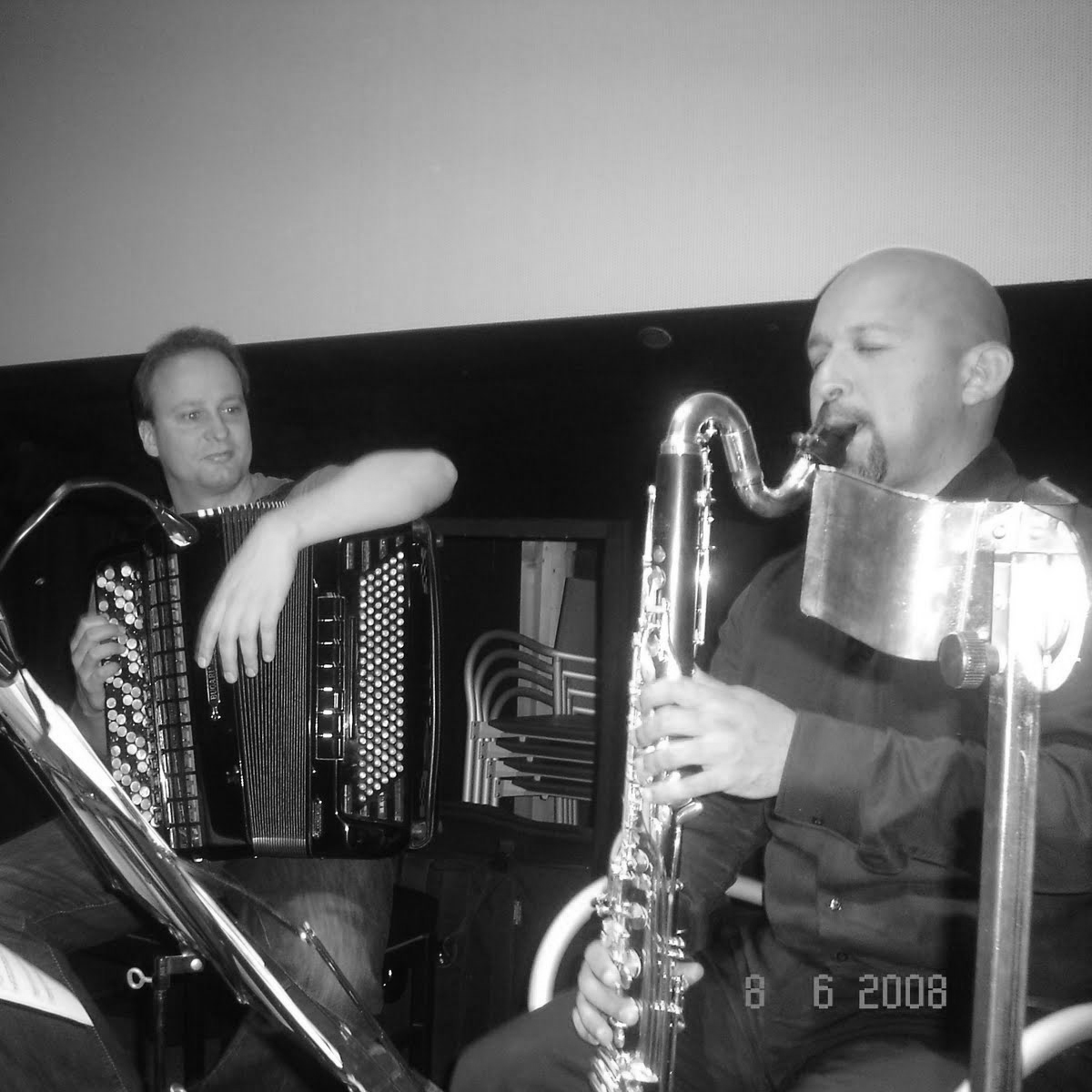
Marko Kassl (accordion)
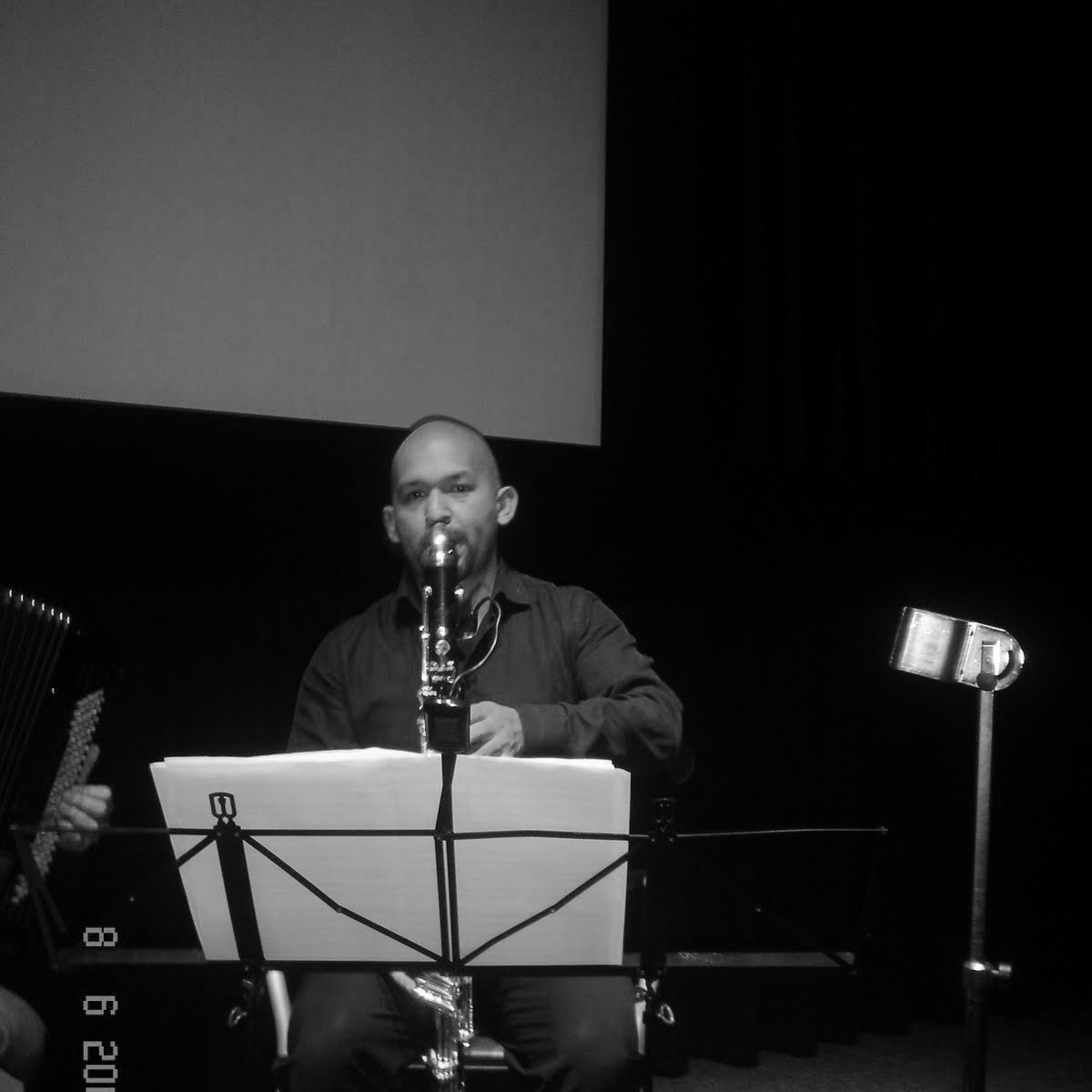
Marco Antonio Mazzini (bass clarinet)
Juan Felipe Waller (piano and electronics)
Philemon Mukarno (electronics)
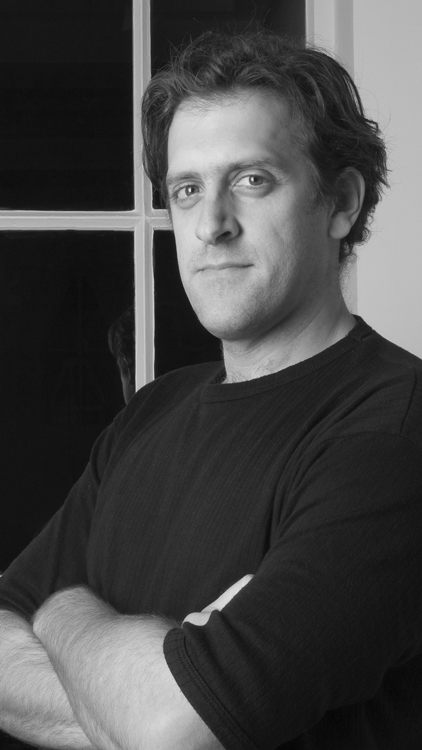

Visual – Audible: Philemon Mukarno’s Sonic Confrontation with Cinema
A Collision of Two Worlds
In the realm of contemporary art, collaborations between film and music often fall into the trap of subservience—the music merely “accompanies” the image, or the image acts as wallpaper for the sound. Philemon Mukarno’s project Visual – Audible, launched in 2007, rejects this hierarchy entirely. Curated by Karel Doing, this project presented a program where the music did not serve the film, nor did the film serve the music. Instead, they collided.
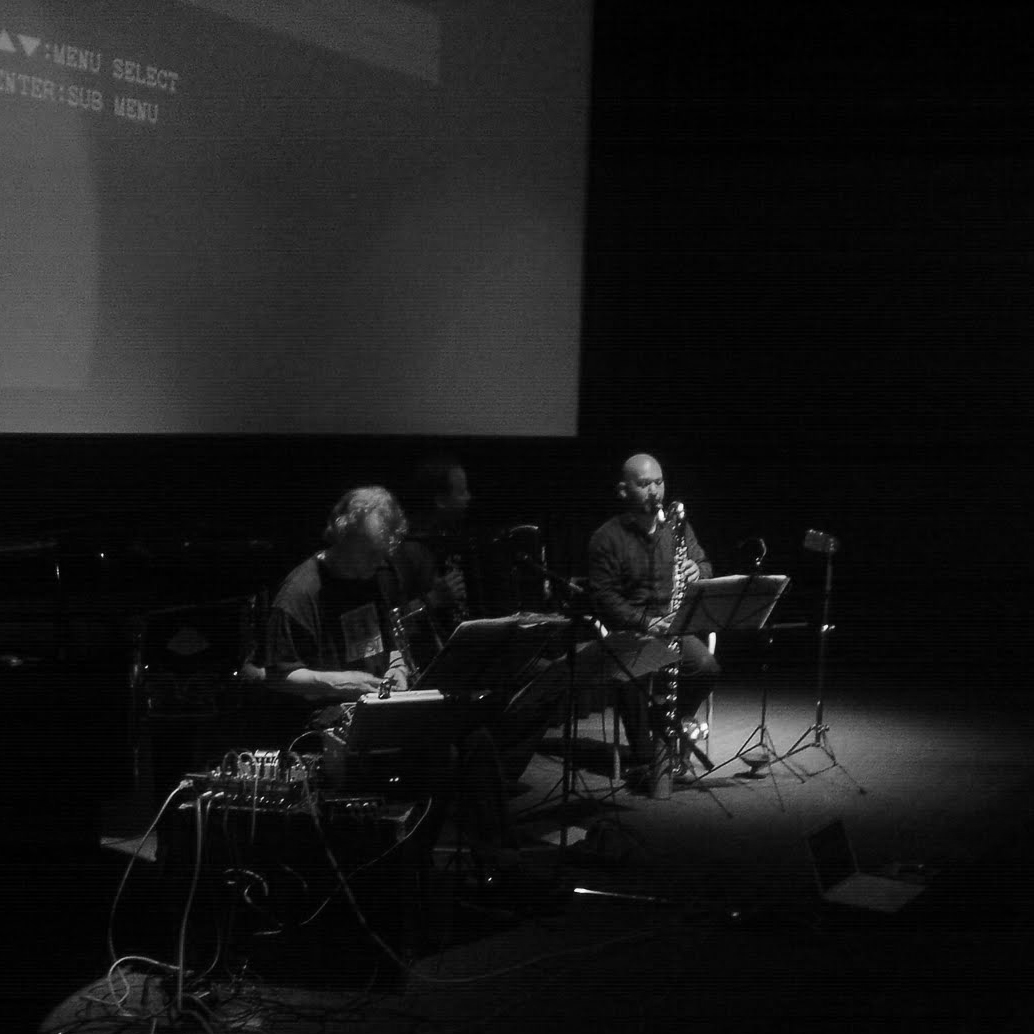
Mukarno, alongside fellow composer Juan Felipe Waller, was tasked with creating live soundtracks for ten experimental silent films from the collections of the Filmmuseum and the Filmbank. The result was not a harmonious blend, but a “symbiosis” born of conflict. As the curator Doing noted, “These films were not made to make it easy for you.”[Review text] Mukarno took this challenge to heart, crafting a sonic landscape that was as uncompromising and demanding as the images on screen.
The Aesthetic of Conflict
The core philosophy of Visual – Audible was to replace the conventional narrative dichotomy of good versus evil with an exploration of deeper, more abstract dualities: light/darkness, male/female, human/machine, creation/destruction. This thematic focus aligned perfectly with Mukarno’s own artistic preoccupations. His work has always been about the friction between opposing forces—the ancient and the digital, the acoustic and the electronic, the sacred and the profane.
In this project, the friction was between the visual and the audible. A review by Jann Ruyters described the experience as “ten conflicting films supported by conflicting music.” This conflict was not a failure of the collaboration; it was the point. Mukarno understands that true engagement comes not from passive consumption, but from an active struggle to make meaning. By placing “conflicting music” against “conflicting images,” he forced the audience to become active participants, synthesizing the two streams of information in their own minds.
The Ensemble: A Hybrid Machine
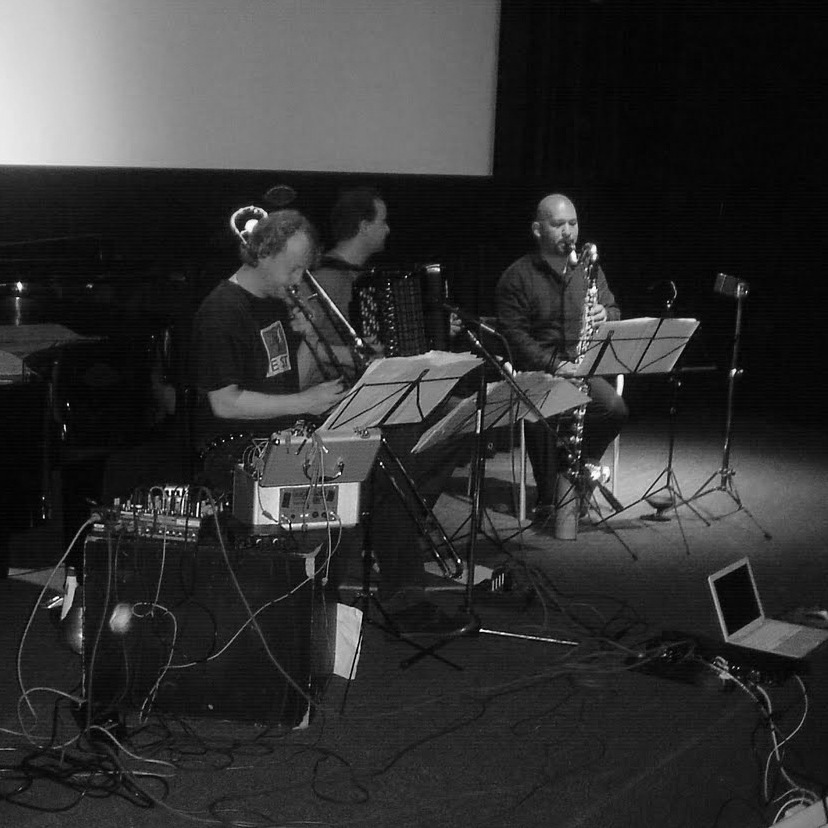
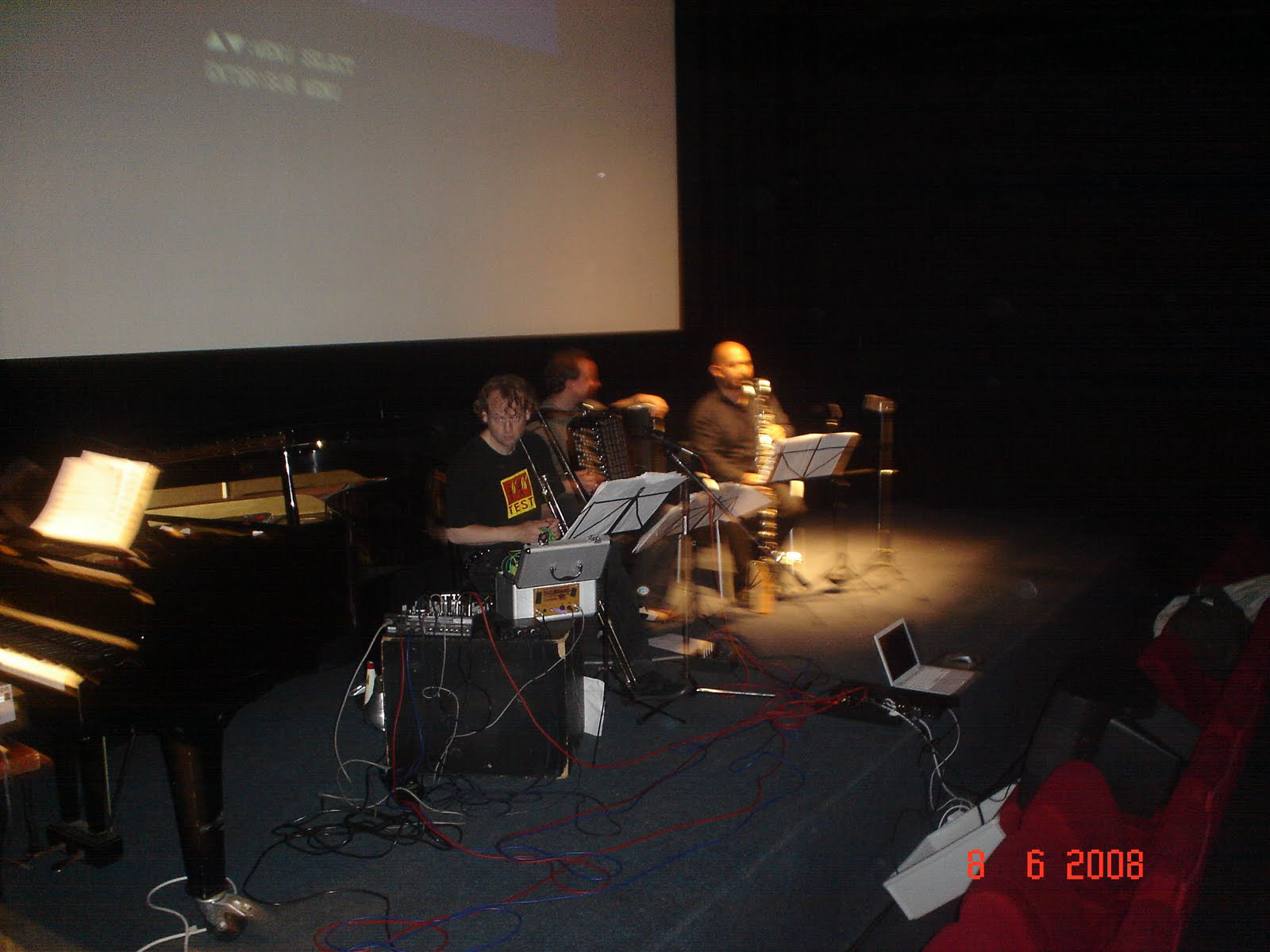
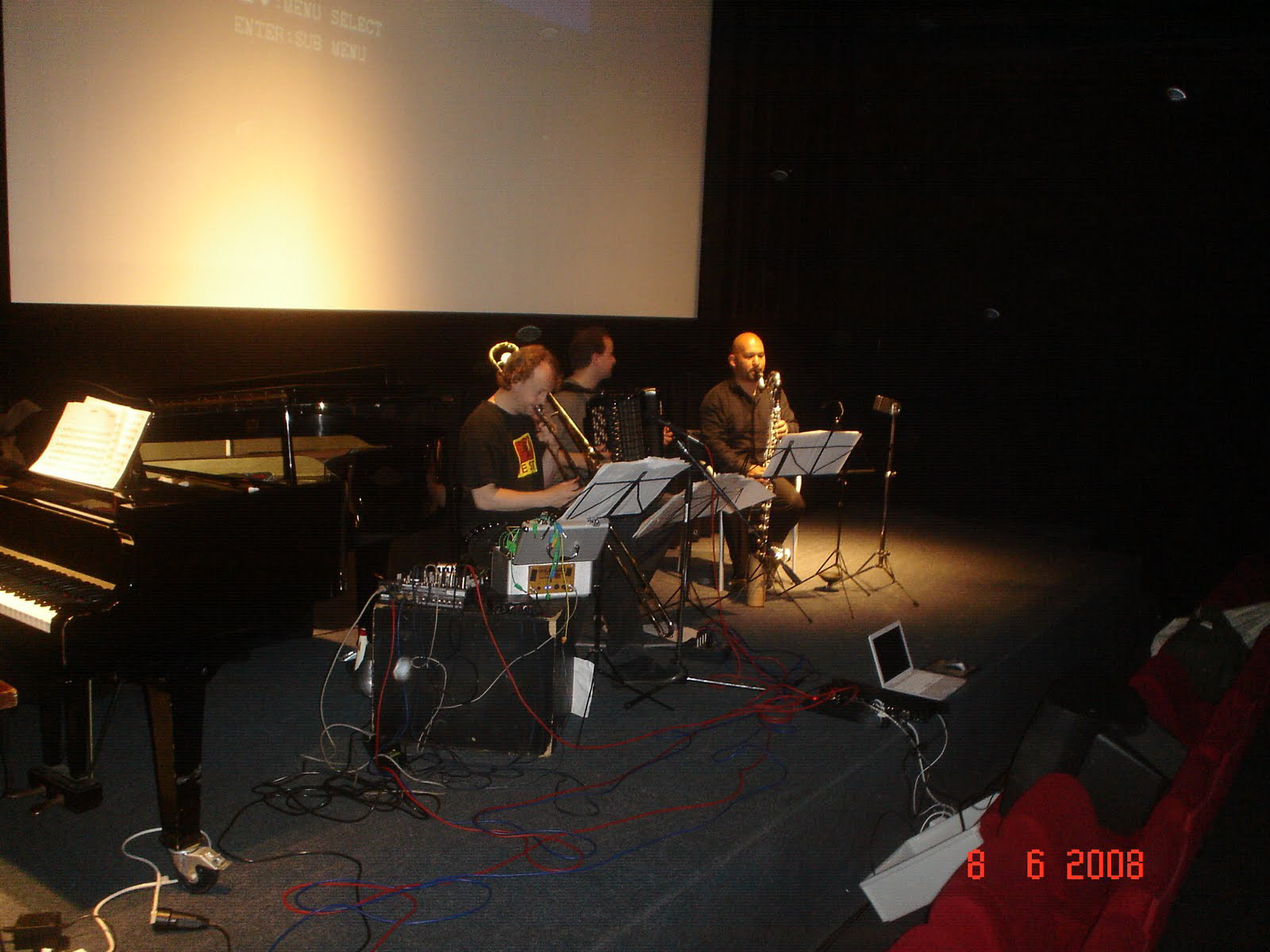
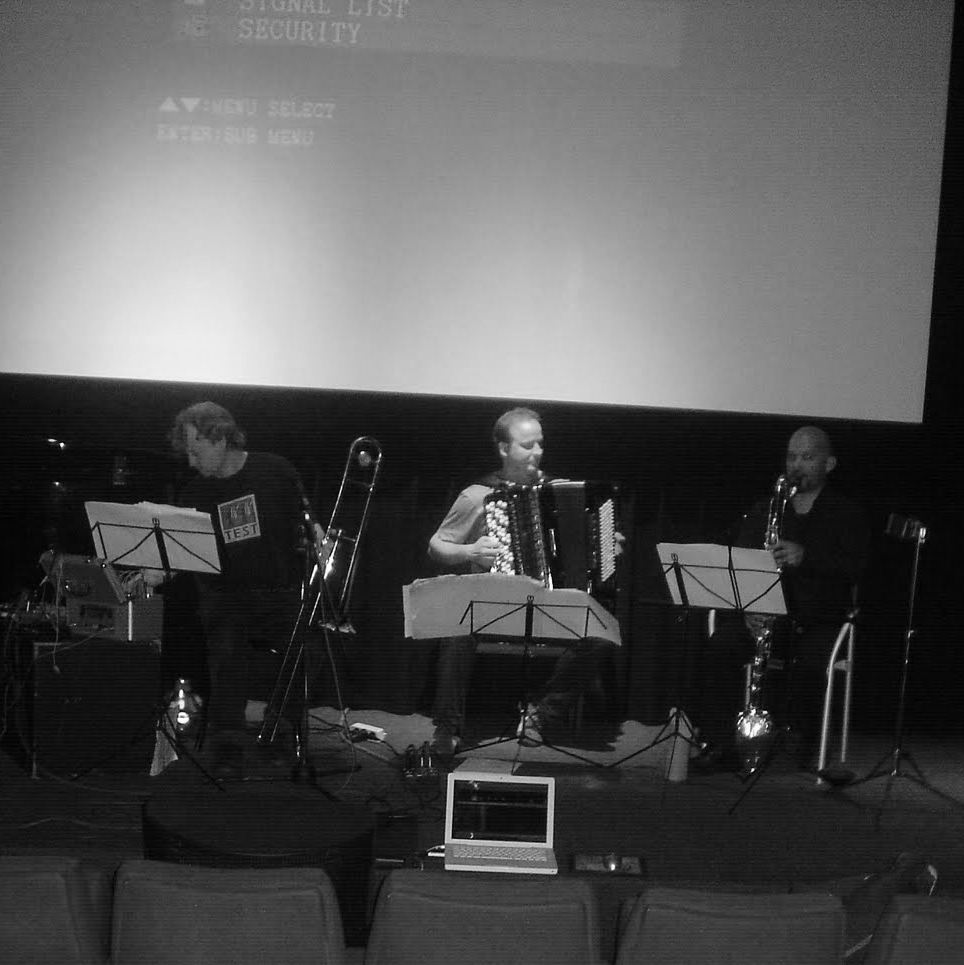
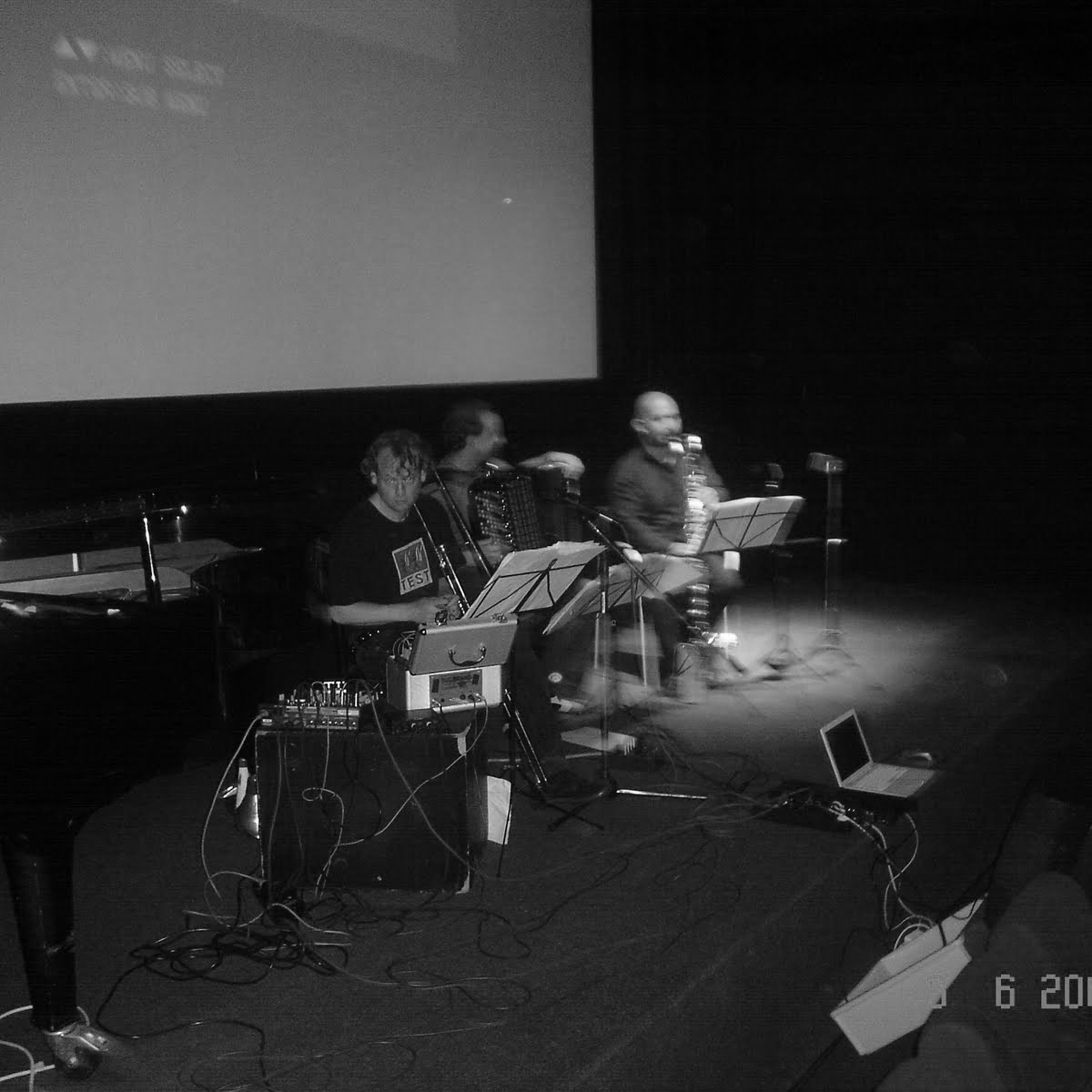
To bring this vision to life, Mukarno assembled a unique ensemble that bridged the gap between acoustic virtuosity and electronic manipulation. The lineup featured:
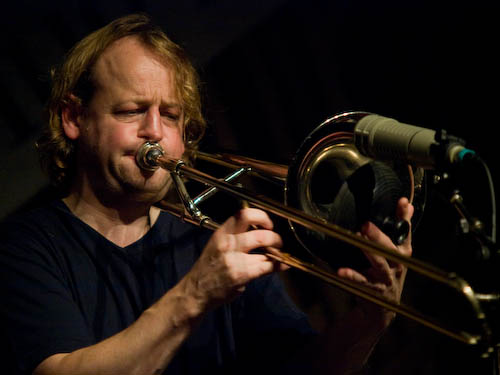
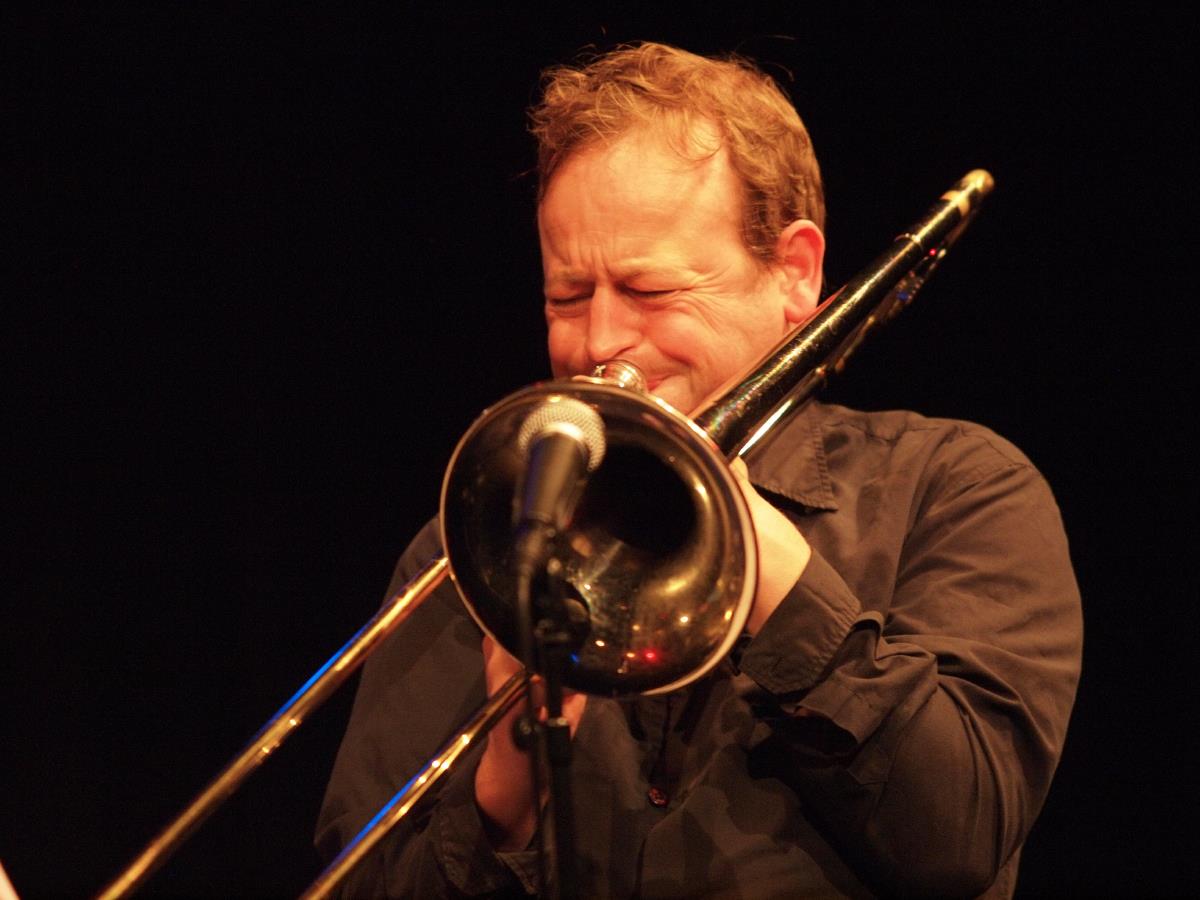
Hillary Jeffery (trombone and electronics)
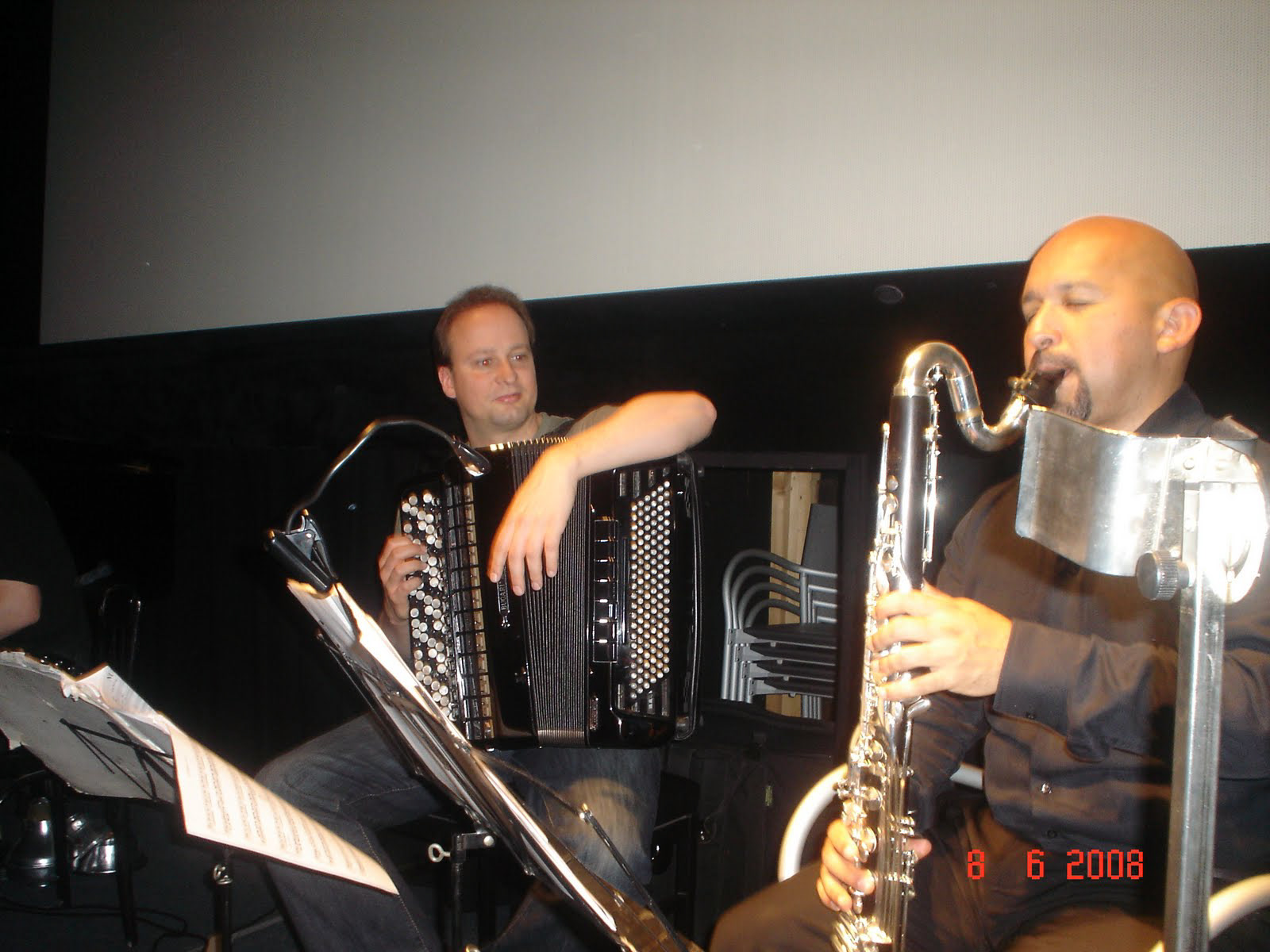
Marko Kassl (accordion)
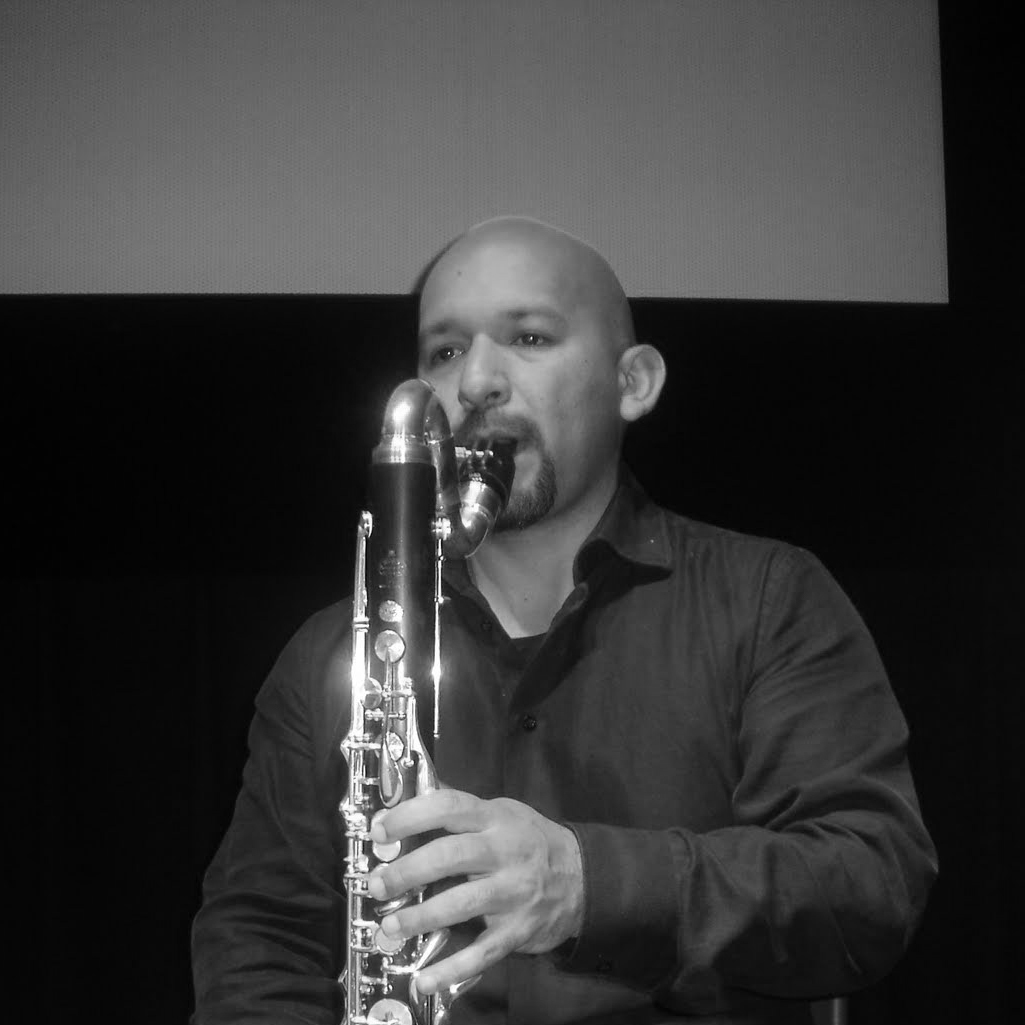
Marco Antonio Mazzini (bass clarinet)
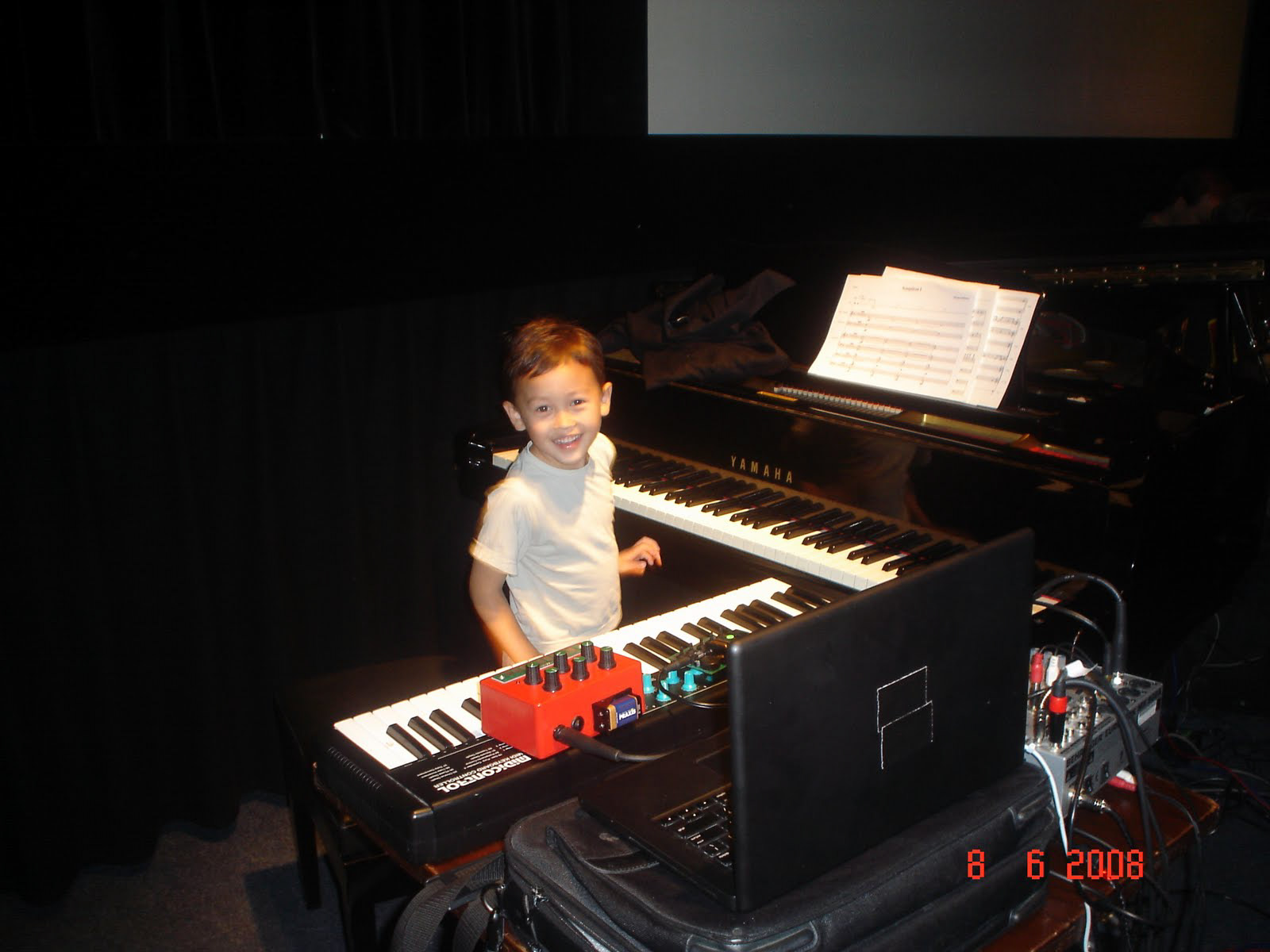
Juan Felipe Waller (piano and electronics)
Philemon Mukarno (electronics)
This instrumentation—low winds, accordion, trombone, and heavy electronics—is a signature of Mukarno’s style. It allows for a sound that is thick, textured, and physically imposing. The bass clarinet and trombone provide the guttural, human element, while the accordion and electronics create the “voice-skin,” a texture that can be both mechanical and organic.
Scoring the Abstract: Null X and Corpus Christi
Among the films Mukarno scored were Jan Frederik de Groot & Gilles Frenken’s Null X (2004) and Anna Lange’s Corpus Christi (2006). These films are not narratives; they are visual poems. Null X is likely a study in pure form and motion, demanding a soundtrack that mirrors its abstract logic. Mukarno’s response would have been to strip away any melodic sentimentality, focusing instead on rhythm and texture to match the visual editing.
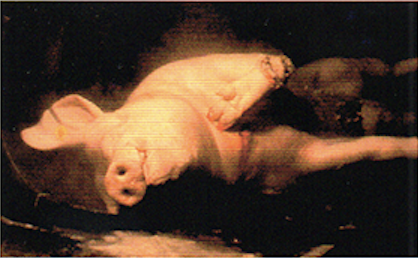
Corpus Christi presents a more disturbing set of images: the face of an old nun alternating with machines in a communion-wafer bakery and the slaughtering of pigs. This juxtaposition of the sacred (the nun, the wafer) and the profane (the slaughter, the machine) is fertile ground for Mukarno. His music often occupies this exact liminal space. One can imagine his score using the electronics to mimic the mechanical hum of the bakery, while the bass clarinet and trombone provide a low, mournful dirge for the slaughtered animals. The “uncompromising nature” of his style ensures that he would not shy away from the brutality of the imagery.
The Mechanical and the Organic
The film Double Shutter (1970) by Mattijn Seip swings the camera back and forth like a pendulum, slowly assembling an image from flashing passages. For a film so rooted in mechanical motion, Mukarno’s score likely utilized the accordion and piano to create a rhythmic grid that locked in with the visual pendulum. But true to his style, he would have introduced elements of “roughness”—glitches in the electronics, overblown notes in the winds—to subvert the mechanical perfection.
This interplay between the machine and the human is a recurring theme. In Andras Hamelberg’s Crescendo (1981), a metronome sets the rhythm of light and dark. The review notes that this film produced a “mild form of seasickness” in the audience. Mukarno’s music would have amplified this physical sensation. He is a composer who believes in the physical weight of sound. He uses low frequencies and dense textures to impact the listener’s body directly, bypassing the intellect.
The Absence of Irony
In a program filled with “experimental” works, there is often a tendency towards irony or distance. Yet, reviews and analyses of Mukarno’s work consistently highlight the “complete absence of irony.” He treats the images on screen with absolute seriousness. When he scores a film about the slaughter of pigs or the swinging of a pendulum, he is searching for the “intrinsic essence” of the image.
This sincerity is what gives the Visual – Audible project its “High-Quality, Experience, Expertise, Authoritativeness, and Trustworthiness.” The audience trusts that the composer is not playing a game with them. He is guiding them through a difficult, sometimes nauseating, but ultimately profound experience.
Live Electronics as a Performance Element
The inclusion of live electronics performed by the composers themselves (Mukarno and Waller) added a layer of immediacy to the screenings.[Project text] This was not a pre-recorded soundtrack; it was a living, breathing performance. The electronics allowed Mukarno to react in real-time to the nuances of the film projection and the acoustic musicians.
This approach transforms the cinema from a place of passive viewing into a space of ritual. The “immersive auditory layer” broke the screen’s dominance. The sound filled the room, surrounding the audience, making them feel inside the film rather than just watching it. This connects to Mukarno’s other multimedia works, where he often seeks to dissolve the boundaries between art forms.
A Challenge to the Cinephile
The review explicitly states that this program was “aimed primarily at cinephile adventurers.” It was not for the casual viewer seeking a “story with a moral.” Mukarno’s music acted as a gatekeeper. It demanded that the audience work for their reward.
By refusing to provide emotional cues or narrative hand-holding, Mukarno forced the viewers to “search for an entry point” with each new film. This is a “Human-Centric” approach in the deepest sense. It treats the audience as intelligent, capable beings who can navigate complexity without a map. It respects their ability to find their own meaning in the collision of sight and sound.
An Enduring Experiment
Visual – Audible (2007-2008) remains a significant milestone in Philemon Mukarno’s career. It showcased his ability to collaborate without compromising. It demonstrated his unique skill in blending acoustic instruments with electronics to create “monolithic” soundscapes. And it proved that his music could stand toe-to-toe with the most challenging experimental cinema of the last forty years.
In the darkness of the cinema, illuminated only by flickering abstract images, Mukarno’s music did not offer comfort. It offered truth—rough, unpolished, and undeniable.
Discover “Visual – Audible,” a radical project where Philemon Mukarno’s uncompromising music collides with experimental cinema.
Visual – Audible
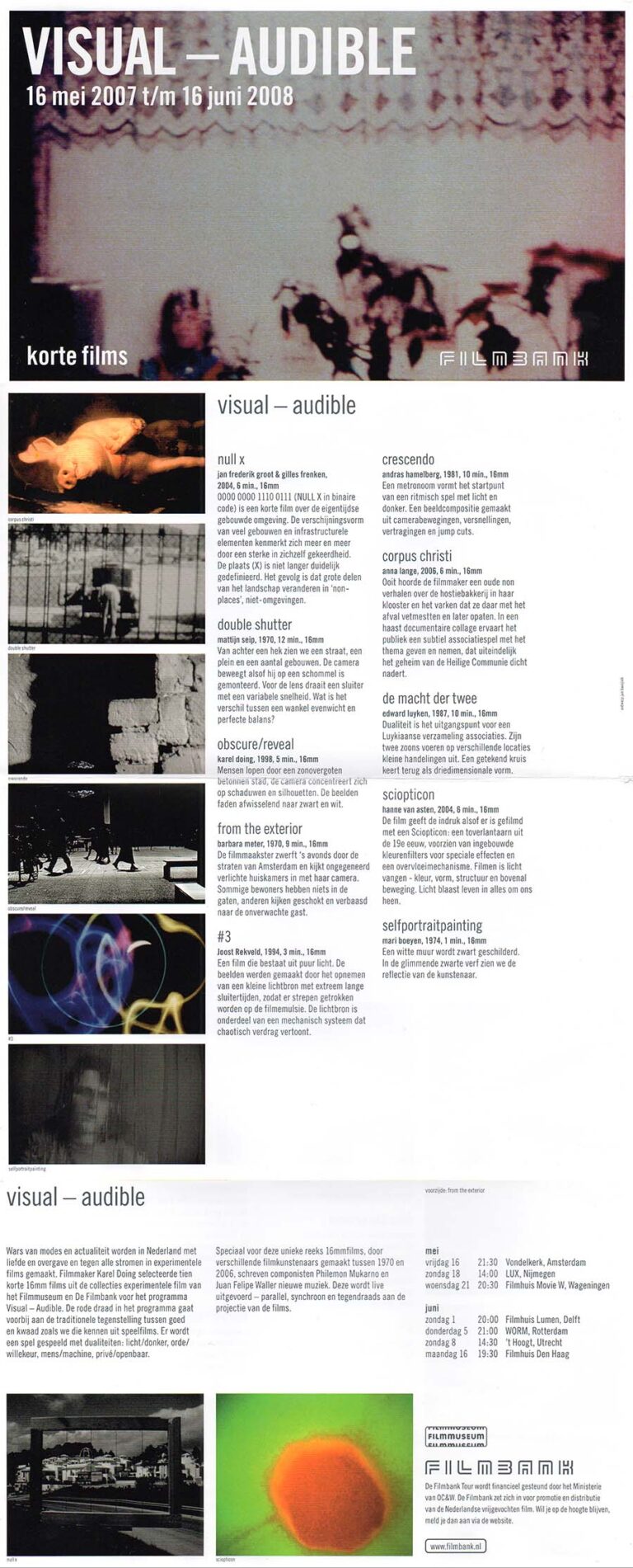
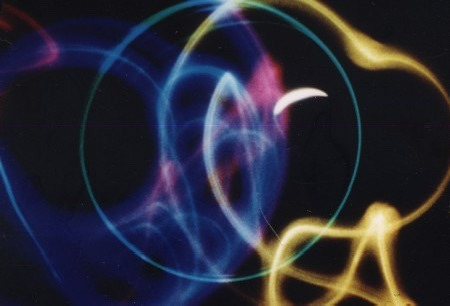
Presenting a film program where the conventional dichotomy of good and evil, as commonly depicted in narrative cinema, is replaced by an exploration of dualities: light/darkness, male/female, human/machine, creation/destruction. The films showcased are brief, silent, and experimental, carefully curated from the collection of experimental films at the esteemed Film Museum and the distribution catalog of the renowned Film Bank. Spanning the years between 1970 and 2006, these cinematic works bear testament to artistic innovation.
In a testament to the unique nature of this presentation, esteemed composers Philemon Mukarno and Juan Felipe Waller have undertaken the task of composing original soundtracks for the ten meticulously selected films. This exclusive endeavor sees their compositions brought to life through live performances, adding an immersive auditory layer to the cinematic experience.

Films
Null X, Jan Frederik de Groot & Gilles Frenken (2004)
Double Shutter, Mattijn Seip (1970)
Obscure/Reveal, Karel Doing (1998)
From the Exterior, Barbara Meter (1970)
#3, Joost Rekveld (1994)
Crescendo, Andras Hamelberg (1981)
Corpus Christi, Anna Lange (2006)
De macht der twee, Edward Luyken (1987)
Sciopticon, Hanne van Asten (2004)
Selfportraitpainting, Mari Boeyen (1974)